You’re staring at that old bathtub, dreaming of a sleek walk-in shower, but wondering if you’re about to hurt your home’s resale value. The short answer is no, removing a bathtub does not automatically devalue your home, but it can reduce buyer appeal in certain situations, especially if it’s the only tub in the house.
What matters most is how many bathrooms you have, who your likely buyers are, and the quality of the renovation. Let me walk you through what actually matters when you’re making this decision.
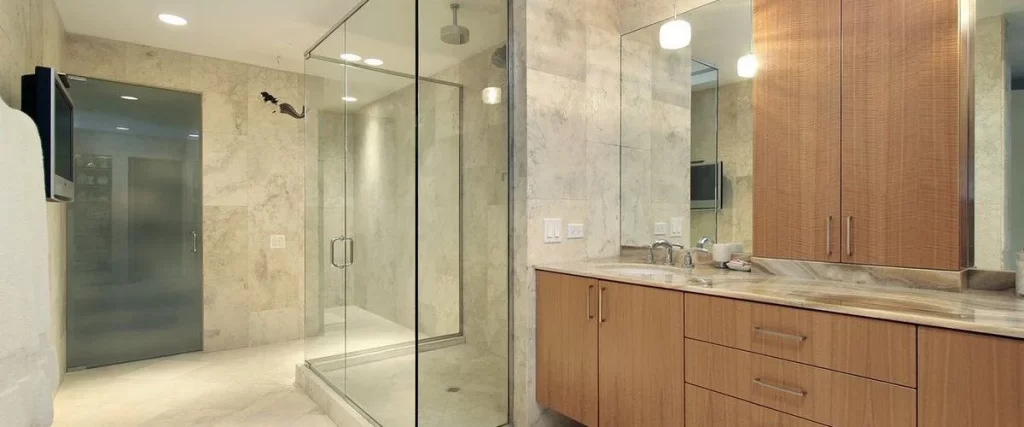
What Actually Happens to Your Home’s Value
The impact of tub removal on your home’s resale value isn’t black and white. Different buyers care about different things, and your local market plays a huge role.
If your house has multiple bathrooms and you’re converting the master bath, you’re probably fine. You’ve still got at least one tub for future buyers who need it. But if you’re dealing with your only bathroom? That’s a different story entirely.
Who’s Going to Buy Your House?
Your buyer pool changes dramatically based on the bathtub situation. Here’s who you’re appealing to:
- Families with small children absolutely need a tub. Try bathing a squirmy toddler in a shower stall, and you’ll understand why. These buyers will often skip right past homes without at least one bathtub, no matter how gorgeous that walk-in shower looks.
- People with mobility issues see things differently. A low threshold shower can be a major selling point. The U.S. Department of Housing and Urban Development has recognized the growing demand for accessible housing features as our population ages. For these buyers, removing the tub actually increases appeal.
- Homeowners who prefer modern bathroom layouts love the spa-like feel of a well-designed shower space. They’re drawn to contemporary aesthetics and aren’t concerned about losing that tub.
Making Smart Decisions About Your Master Bath
Your master bath gives you the most flexibility for bathroom renovations. Most houses have multiple bathrooms, so keeping at least one tub elsewhere satisfies the broad buyer market while letting you customize your primary space.
Professional installation of a quality walk-in shower in your master bath can actually add value. We’re talking frameless glass, good tile work, multiple shower heads, the whole package. But cheap conversions with builder-grade materials? Those might hurt more than help.
The bathroom size matters too. Small bathrooms can feel cramped with a tub. Converting to a shower creates breathing room and makes the space feel larger.
Bigger bathrooms have room for both, and some luxury remodels include a soaking tub plus a separate shower. That’s the gold standard if your space and budget allow it.
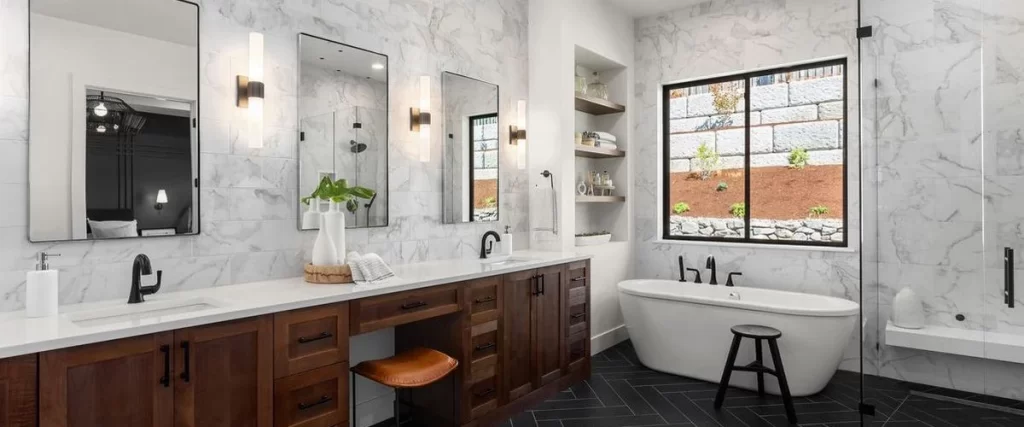
Why You Absolutely Shouldn’t Remove Your Only Tub
Let’s get real about the one bathroom situation. If you’ve got just one full bath in your entire house, removing the tub is risky. Your buyer pool shrinks significantly. Families will cross you off their list immediately.
Even if you don’t have small kids now, future buyers might. Parents aren’t just looking for convenience. They’re planning for years of bath time chaos. One-bathroom homes need that tub.
Some markets are more forgiving than others. Certain areas with lots of young professionals might not care as much. But in family-oriented neighborhoods? You’re potentially leaving money on the table.
The Hall Bath Calculation
Hall baths present an interesting middle ground. If this is your second or third bathroom, you have more options. Converting a hall bath into a walk-in shower works well when you’ve got another tub elsewhere in the house.
Quality matters here more than anywhere. A cramped, poorly done tub-to-shower conversion looks like a budget flip. Homeowners notice. But a thoughtful renovation with a proper bathroom layout? That shows you care about the house.
The plumbing situation affects your cost and timeline as well. Some conversions are straightforward. Others require rerouting pipes and involve way more work than expected. Get quotes before you commit to anything.
What Actually Drives Home Value in Bathroom Renovations
The tub itself isn’t usually the main factor in your home’s resale value. The overall quality of your renovation matters much more.
Things that actually hurt your value:
- Bad tile work that looks amateur or starts cracking within a year
- Leaky fixtures that suggest poor installation
- Poor ventilation leading to mold and moisture problems
- Mismatched style that clashes with the rest of your house
Meanwhile, beautiful finishes and solid construction help, even if you made a controversial layout choice. Your bathroom needs to match the style of the rest of your house.
An ultra-modern shower in a traditional home feels off. Buyers pick up on these mismatches. They start wondering what other weird decisions you made.
Other Money Considerations You Can’t Ignore
Budget plays a role in every remodel decision. Walk-in showers vary widely depending on materials and complexity. You might spend anywhere from a few thousand to over $20,000.
The return on investment depends on maintaining quality throughout the project. Here’s what happens when you cut corners:
- Cheap shower pans crack within a few years
- Poor waterproofing leads to hidden mold damage
- Low-quality fixtures break down and need constant replacement
- Improper sloping causes water pooling and drainage issues
These problems cost way more to fix later than doing it right the first time. Many homeowners discover that bathroom conversion projects involve more complexity than they initially thought. Professional contractors can spot potential issues before they become expensive mistakes.
Reading Your Local Market
Your specific location dramatically impacts buyer preferences. Some markets lean heavily toward families with children. Others attract retirees looking for accessible features. Understanding your market makes all the difference.
Talk to local real estate agents. They see what sells and what sits. They know whether buyers in your area skip homes without bathtubs or don’t really care.
Look at comparable homes too. What are your neighbors doing? If every house on the block has at least one bathtub and you’re the odd one out, that might matter at sale time.
FAQ
Can I remove a bathtub if I have only one bathroom?
You technically can, but it’s generally not recommended. Homes with only one bathroom need that tub to appeal to the widest buyer pool, especially families with young children. You’d be significantly limiting your potential buyers.
Will removing my bathtub decrease my home’s value?
Not necessarily. If you have multiple bathrooms and you’re converting the master bath while keeping at least one tub elsewhere, the impact is usually minimal. The quality of your renovation matters more than the tub removal itself.
What’s the best alternative to a bathtub for resale value?
A high-quality walk-in shower with professional installation, good tile work, and modern fixtures can actually add value, especially in master bathrooms. Low-threshold showers appeal to aging homeowners while still looking attractive to most buyers.
Do walk-in showers increase home value?
They can, particularly in master bathrooms where luxury features matter. The key is quality, not just the shower itself. Poor installations can actually hurt value.
How much does it cost to convert a tub to a walk-in shower?
Costs vary widely depending on materials, labor rates in your area, and the complexity of your plumbing situation. Expect to pay anywhere from $3,000 to $20,000 or more. Get personalized quotes from contractors before making decisions.
Should I keep my bathtub if I’m planning to sell soon?
If you’re selling within the next year or two, you might want to skip major bathroom renovations entirely. Focus on repairs and fresh paint instead. Let the next owner make their own choices about the tub.
Stop Overthinking It
Look, we’ve thrown a lot of information at you about tub removal, bathroom layouts, buyer demographics, market considerations, and renovation costs. Your head might be spinning trying to figure out if removing your bathtub makes sense.
That’s exactly why talking to professionals who handle bathroom renovations every day makes sense. We know your local market. We understand building codes, plumbing challenges, and what actually adds value.
Call us at or message us here. We’ll look at your actual bathroom, discuss your goals, and help you make a decision that works for your home and your budget.