Your mom just turned 72. She’s still driving, gardening, and hosting Sunday dinners. But last week, she mentioned the stairs were getting harder. Meanwhile, your dad struggles with the bathtub. You’re starting to wonder what happens in five years, or ten.
Families are asking tough questions about the future, and many are discovering that nursing homes aren’t the only answer. So, what is aging in place? It’s a simple concept that’s changing how we think about growing older.
Aging in place means living in your own home, safely and comfortably, as you get older. It’s about maintaining independence without sacrificing quality of life or safety. For many older adults, staying in familiar surroundings beats moving to an assisted living facility.
Why Families Are Making This Choice
Most people would rather stay in their own home than move to a facility. That’s not surprising. What’s surprising is how realistic this is now compared to a generation ago.
Medical technology has improved dramatically. Home healthcare services can deliver treatments that once required hospitalization. Your loved one can receive physical therapy, wound care, and even some types of infusion therapy without leaving the house.
The math works differently, too. Long-term care facilities cost between $4,500 and $9,000 per month. Compare that to home modifications and periodic support services. Many families find they can create a safer living environment for less than the cost of institutional care.
Community resources have also expanded. For instance, the National Association of Area Agencies on Aging connects older adults to local support services. Meal delivery programs, transportation services, and social activities – these resources help older individuals remain independent while staying connected.
Your parents probably want this. Research shows the overwhelming majority of the elderly population prefers aging in their own home over any alternative. It’s about dignity, independence, and maintaining control over daily decisions.
Home Modifications That Work As You Grow Older
Here’s where things get practical. Successfully aging in place usually requires some changes to your house. Small modifications now prevent big problems later.
Bathroom safety improvements:
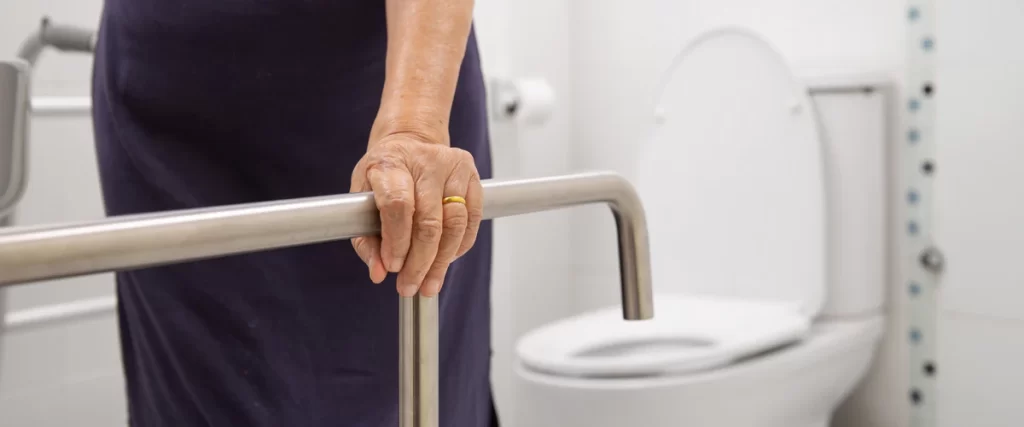
- Install grab bars near toilets and in showers
- Add walk-in showers to eliminate dangerous tub edges
- Replace flooring with non-slip surfaces for better balance
- Consider raised toilet seats for easier transfers
The kitchen needs attention, too. Lowering some cabinets, adding pull-out shelves, and improving lighting – these adjustments help older adults maintain their independence in food preparation. Nobody wants to give up cooking the meals they’ve made for 50 years.
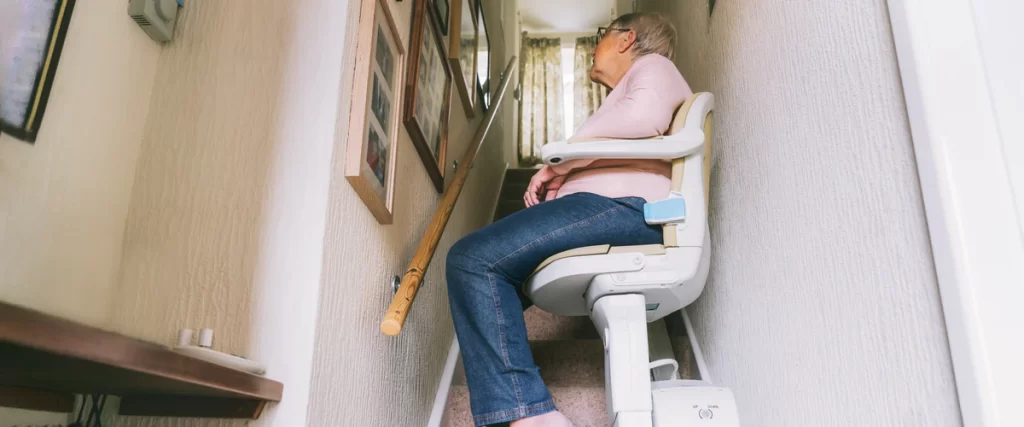
Stairways become challenging as mobility changes. Some families add a stair lift. Others work with professionals to convert a first-floor room into a bedroom. Professional aging-in-place remodeling can transform spaces to better suit your changing needs without losing your home’s character.
Key accessibility updates throughout the home:
- Widen doorways from 30 inches to 36 inches for walkers and wheelchairs
- Replace round door knobs with lever-style handles
- Add motion-sensor lights in hallways to prevent nighttime falls
- Install under-cabinet lighting in kitchens for better visibility
Consider incorporating technology, as well. Smart home devices let older people control thermostats, locks, and lights from a phone or voice command. Medical alert systems provide peace of mind for the whole family. Some systems detect falls automatically and call for help.
The Department of Housing and Urban Development offers resources about home modifications and financing options for older homeowners. They understand that aging affects everyone, and they’ve developed programs to help people stay safely in their homes.
Building Your Support Network
Physical modifications solve only part of the equation. The social environment matters just as much for successful aging.
Start by talking with your family about expectations and concerns. Many older adults worry about becoming a burden. Adult children worry about their parents’ safety. Getting these fears on the table helps everyone plan better.
Here are some of the most important things to discuss:
- Healthcare coordination gets more complex with age. Multiple doctors, various prescriptions, and different appointment schedules add up quickly. Some families hire geriatric care managers who specialize in navigating the healthcare system for older people.
- Daily living tasks eventually become harder. Grocery shopping, housecleaning, and yard work are activities that might need outside help. Local services can fill these gaps while your loved one maintains control over their life and choices.
- Social isolation poses real health risks. Loneliness affects older adults’ physical and mental health as much as smoking or high blood pressure. Staying connected to friends, joining community groups, or participating in senior center activities keeps people engaged.
- Think about transportation before it becomes urgent. When driving stops, what happens next? Some communities offer senior transportation services. Ride-share apps work if your parents are comfortable with technology. Family and friends can create a schedule to share the responsibility.
What Happens When Needs Change?
Aging isn’t static. Health status fluctuates. Abilities change. What works today might not work in two years.
Regular assessments help you stay ahead of problems. Occupational therapists can evaluate your home and recommend modifications before falls occur. Physical therapists can spot balance issues early, when interventions are most effective.
Some families begin with minimal support and gradually add services. Others need more comprehensive help from the start. There’s no single right approach. Your situation depends on current health, financial resources, available family support, and personal preferences.
The key is flexibility. Build a plan that can grow and adapt. Maybe grab bars are enough now, but you’re aware that a walk-in shower might make sense later. Maybe your mom manages fine alone currently, but you’ve researched companion services for the future.

Common Questions About Aging in Place
How much do home modifications typically cost?
It varies widely based on what you need. Simple grab bars might run $100-300 installed. Walk-in showers start around $3,000-5,000. Stair lifts range from $2,500-7,000. Converting a bathroom or bedroom for accessibility can cost $10,000-25,000. Most families spend far less on modifications than they would on even one year of assisted living.
When should we start planning for aging in place?
Yesterday. Seriously, though, the best time is before urgent needs force hasty decisions. If your parents are in their 60s or early 70s and generally healthy, now’s the perfect time for this conversation. Modifications are easier to complete when there’s no time pressure, and you can spread costs over several years.
What if my parent lives alone and something happens?
Medical alert systems address this concern. Modern devices detect falls and automatically call for help. Some include GPS tracking for wandering risks. Video doorbells let you check on parents remotely. Smart home sensors can alert you to unusual patterns, like a refrigerator that hasn’t been opened all day.
Can aging in place work for someone with dementia?
It depends on the stage and available support. Early-stage dementia often responds well to appropriate modifications and oversight. Advanced dementia usually requires more intensive care than most families can provide at home. Each situation needs individual assessment based on safety, health needs, and available resources.
How do I know when aging in place is no longer safe?
Warning signs include frequent falls, inability to manage medications safely, severe social isolation, wandering that poses danger, or declining hygiene and nutrition. Trust your instincts. If you’re constantly worried about safety, it might be time to consider alternatives or significantly increase support services.
Maybe There’s an Easier Way
Reading all this probably feels overwhelming. Grab bars and stair lifts, healthcare coordination and support services, modifications and planning – it’s a lot to manage while you’re also working full-time and raising your own kids.
You don’t have to figure everything out alone. Professional help exists for a reason.
If you’re looking at home modifications to make aging in place work for your family, call us at (254) 369-5978 or message us here. We’ve helped countless families create homes that work for every stage of life. Sometimes the hardest part is just getting started. Let us handle the construction details while you focus on what matters: spending time with the people you love.