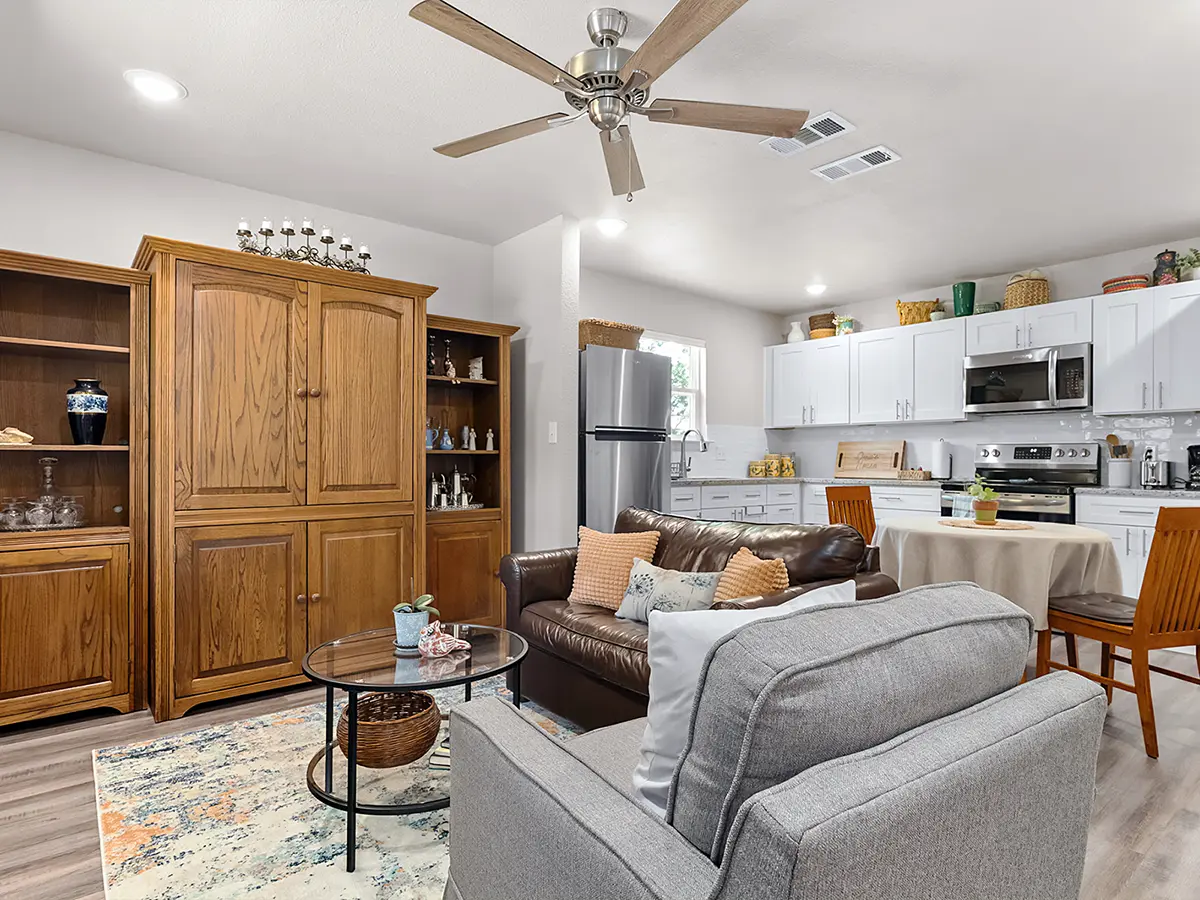
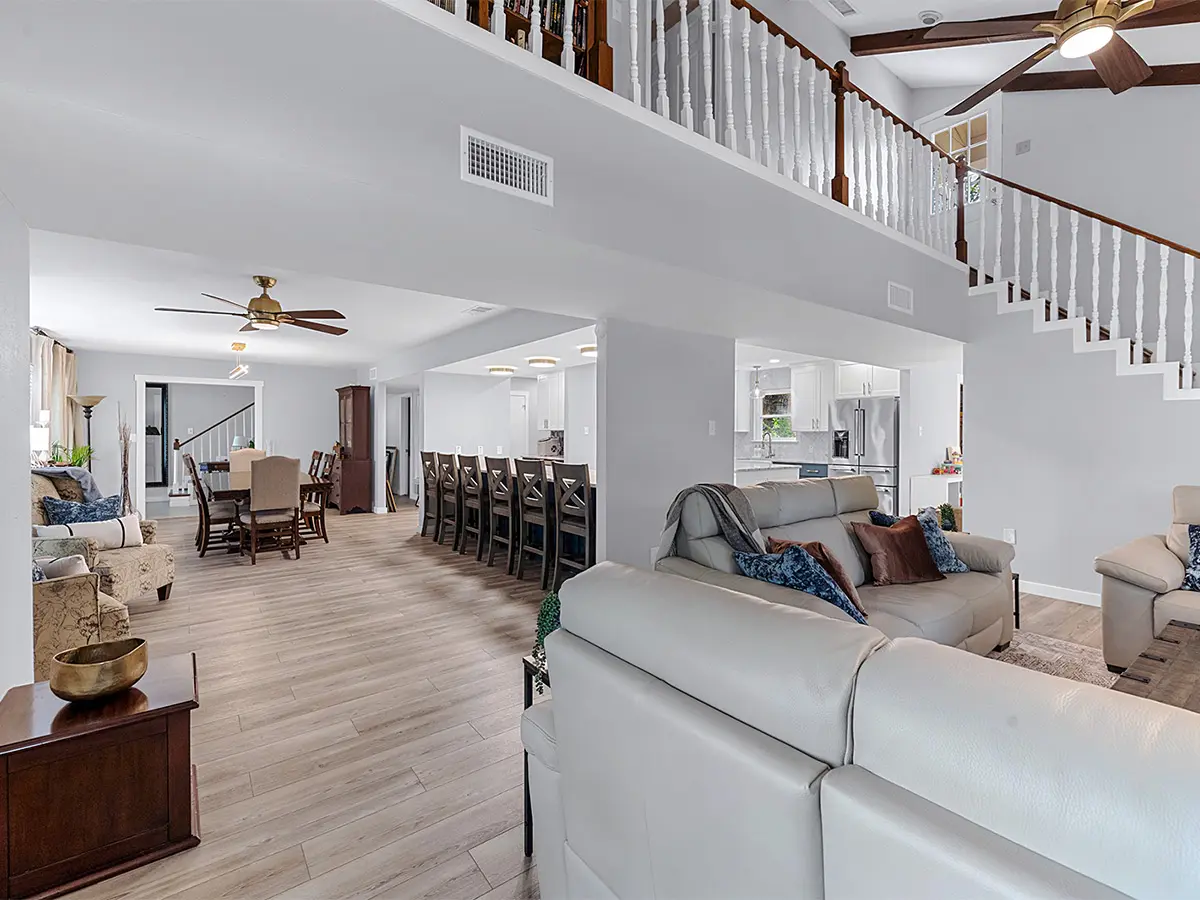
Design, plan, and build your dream home with a local contractor who takes care of everything for you!
232+
remodels completed
years of team experience
workmanship warranty
120+
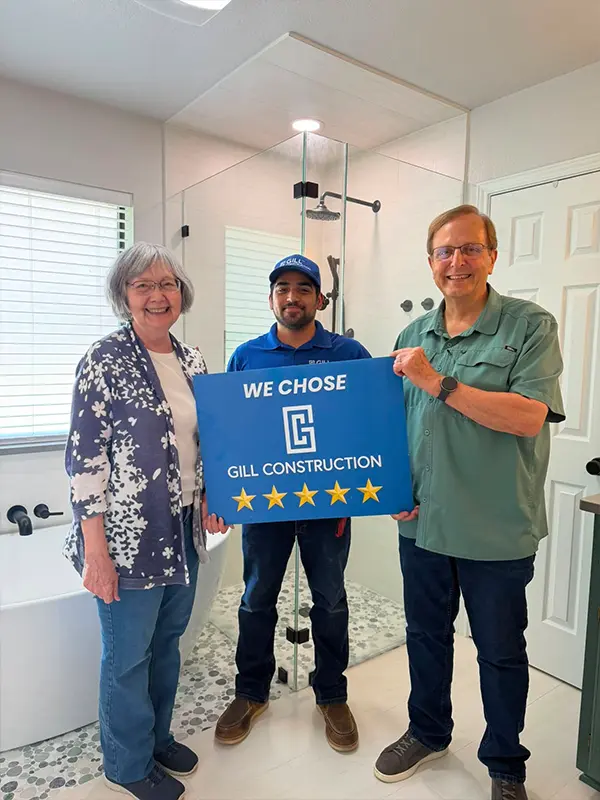
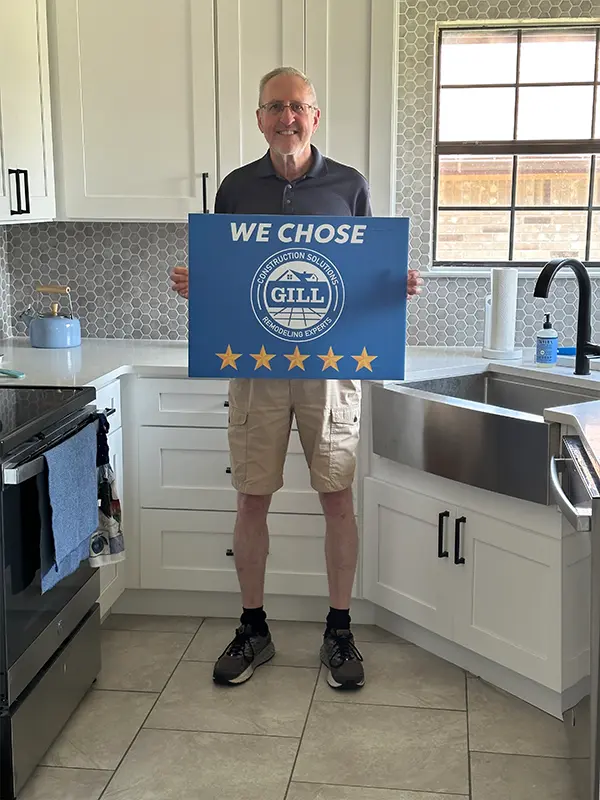
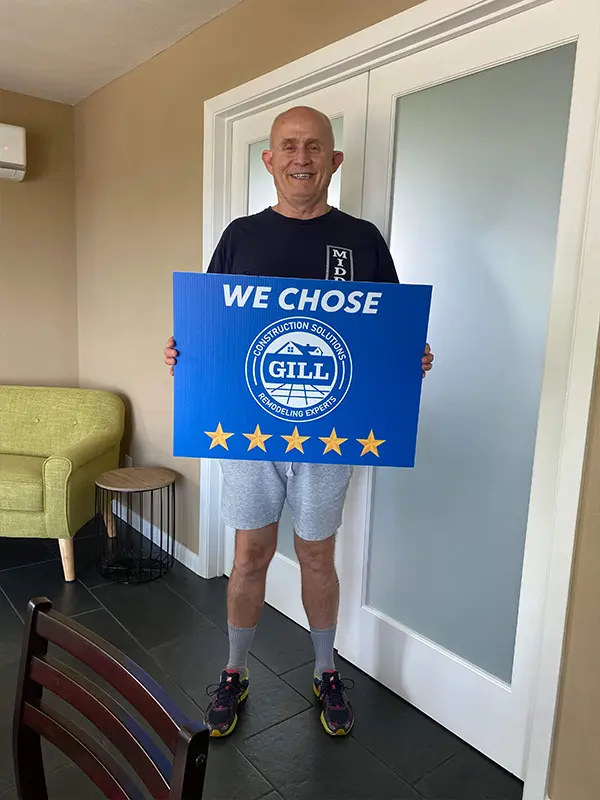
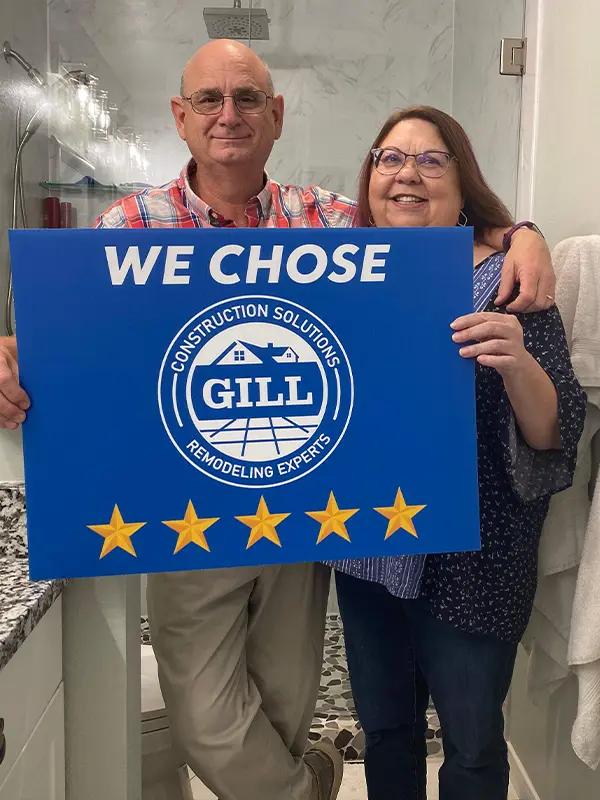
5-star reviews
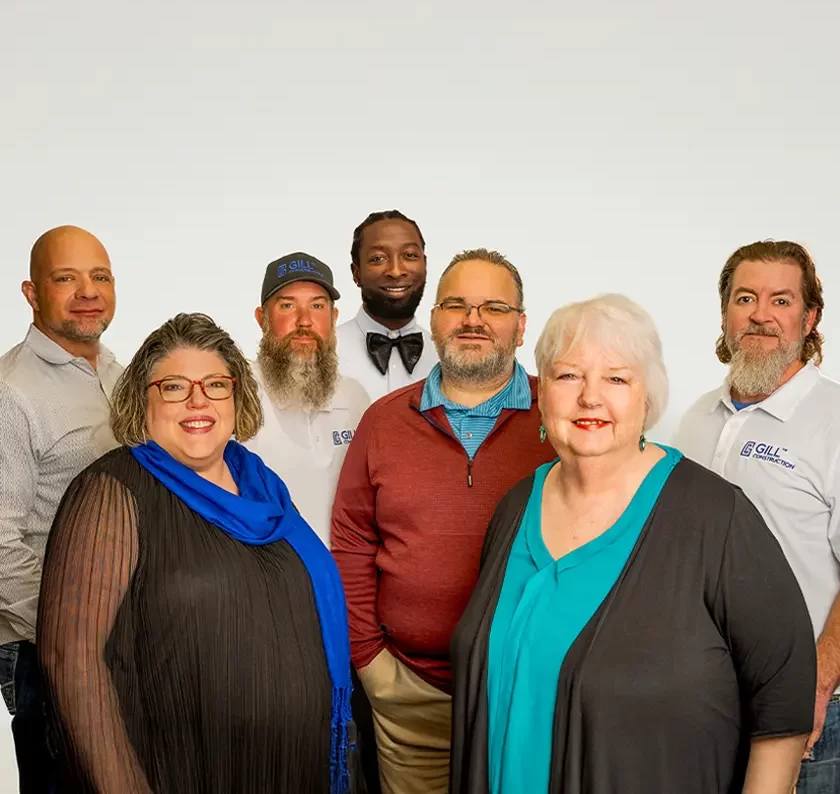
I’m Steven Gill, founder of Gill Construction, and I’m passionate about transforming homes through remodeling. As a lifelong builder, I’ve dedicated my career to perfecting the home renovation process.
What makes us the right choice is our design-build approach. As your local design-build contractor, we work closely with you to create detailed plans, so you know exactly what your project will look like before we start.
We also stand behind our work with an industry-leading warranty. When you choose Gill Construction, you’re getting a true partner committed to making your home dreams a reality.
From the estimate to the end of the job Gill Construction Solutions was amazing! They were extremely helpful, gave us their expert opinion and helped us pick the right direction for our project. I would use them again in a heartbeat.
– Chelsea DeMontigny
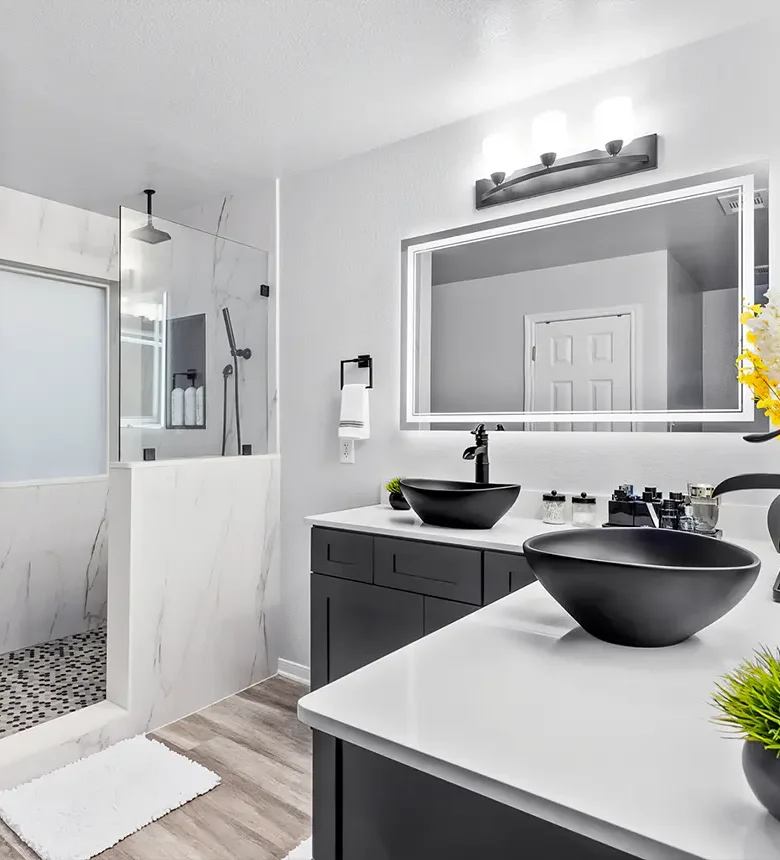
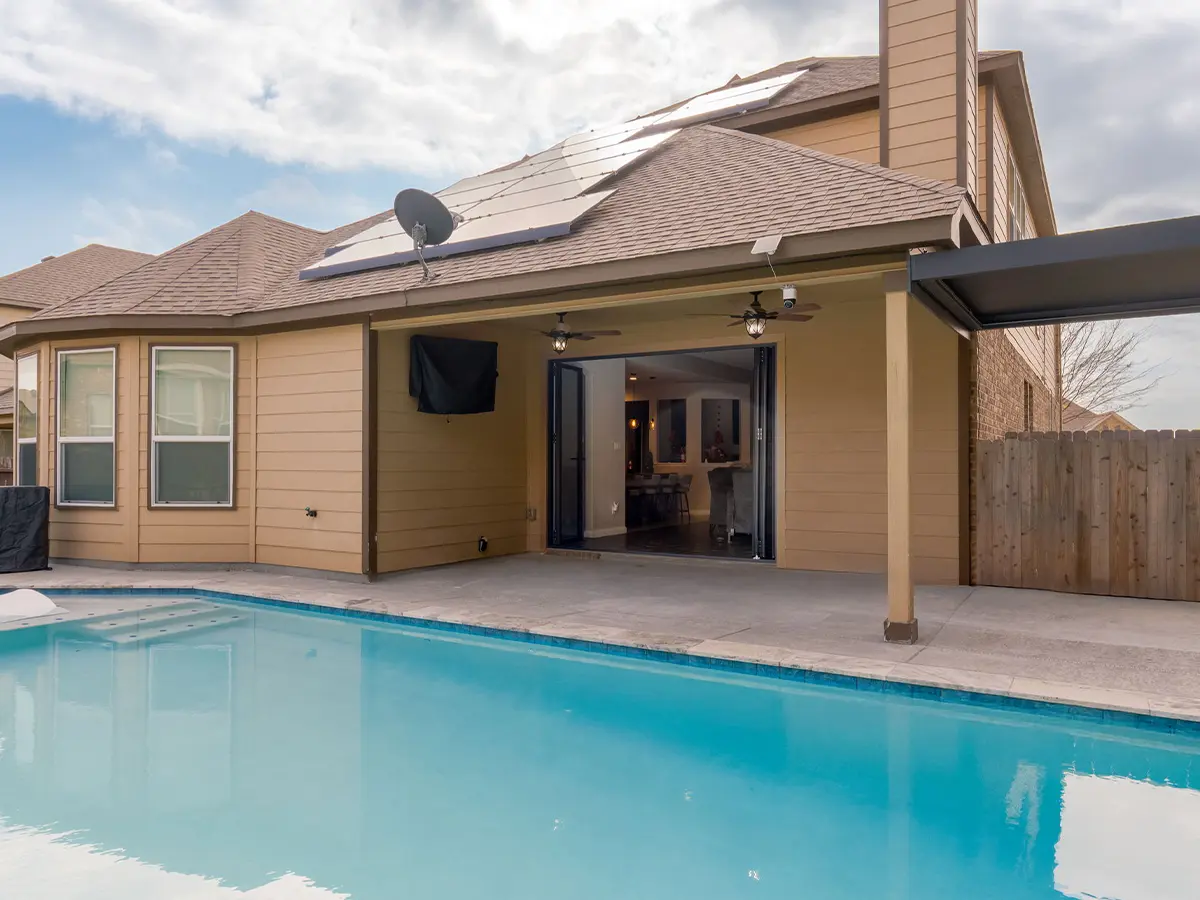
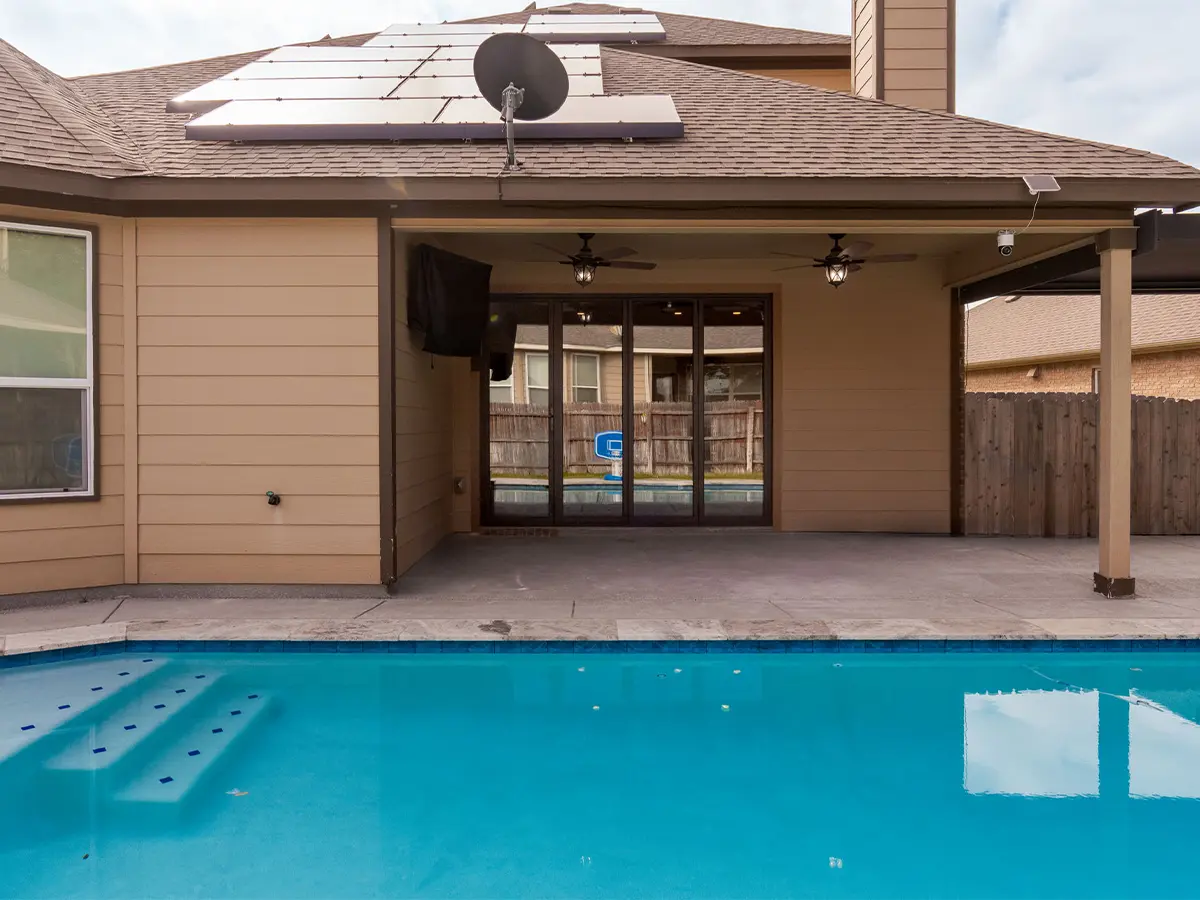
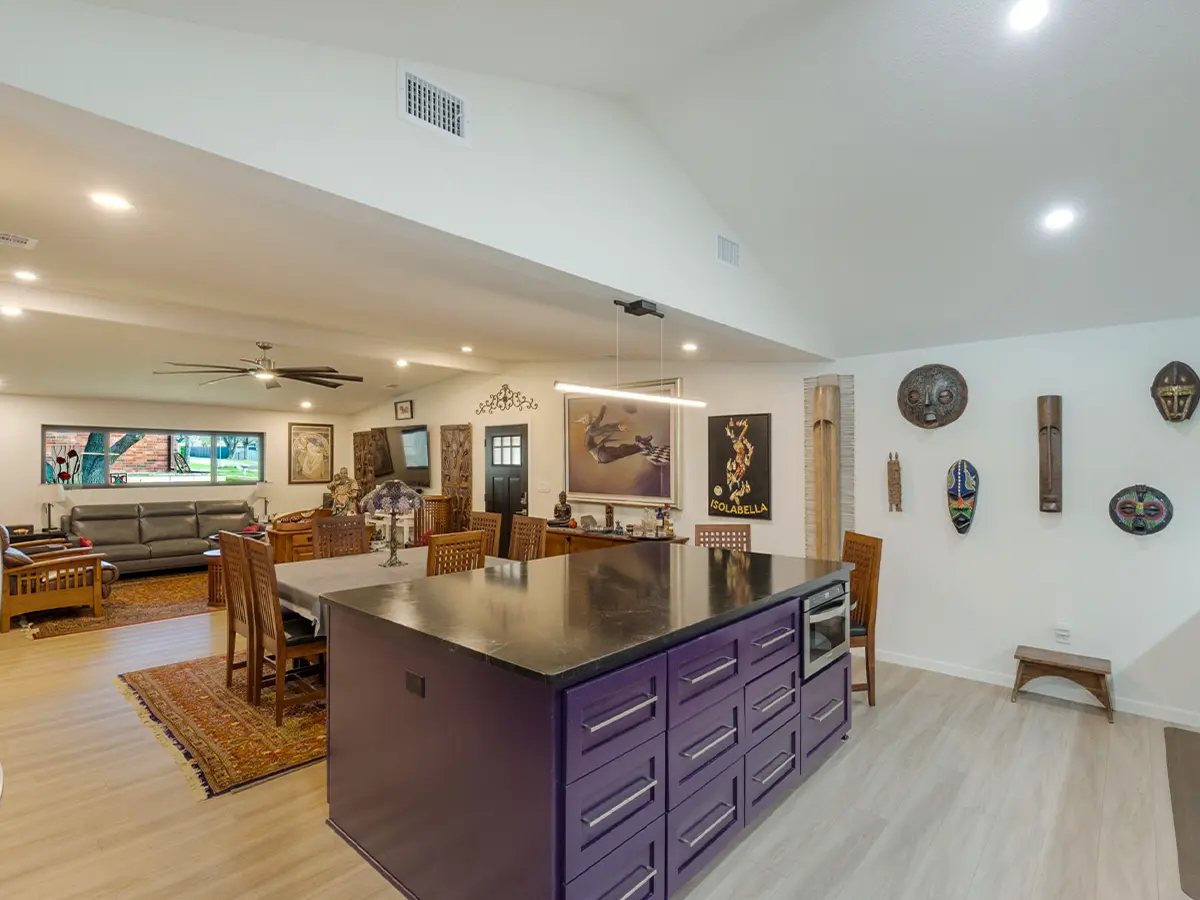
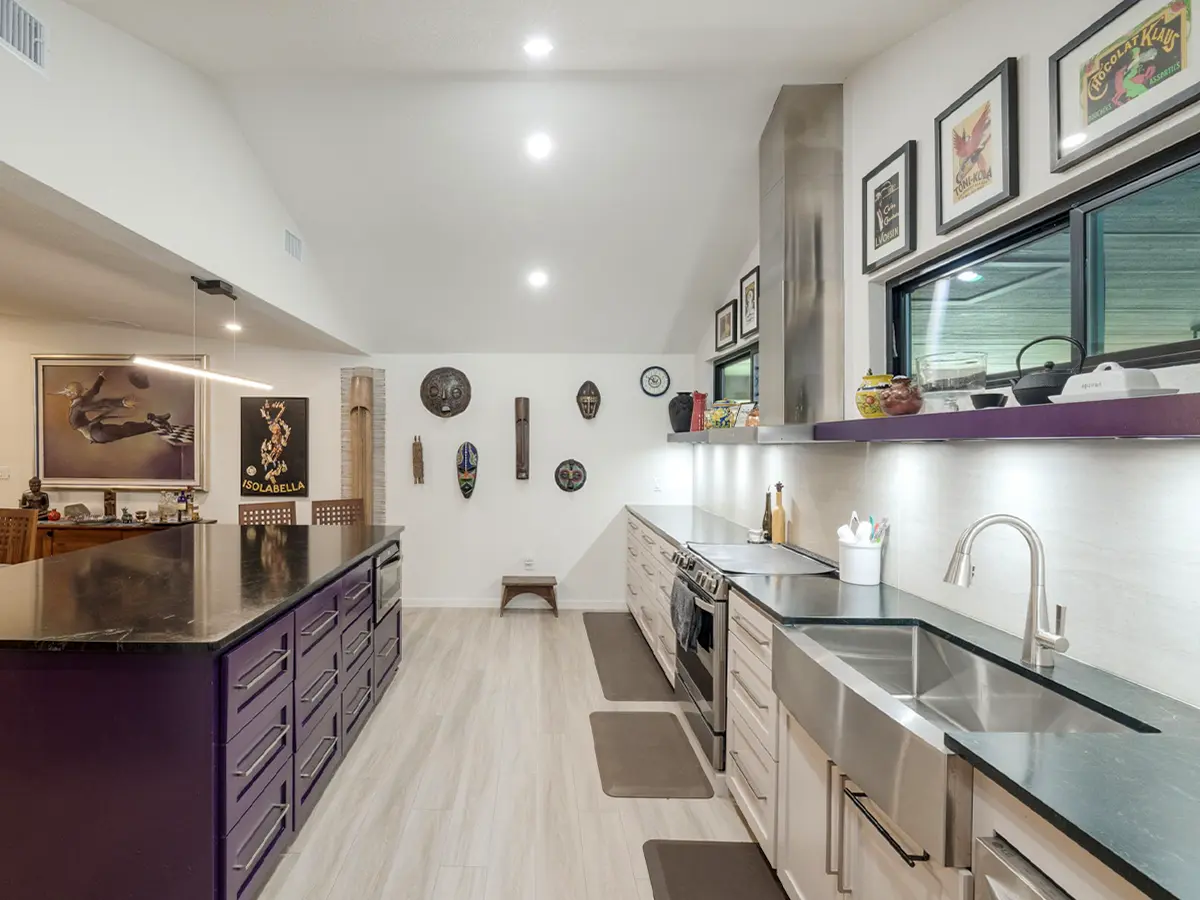
See How We’ve Crafted Dream Homes For Our Clients
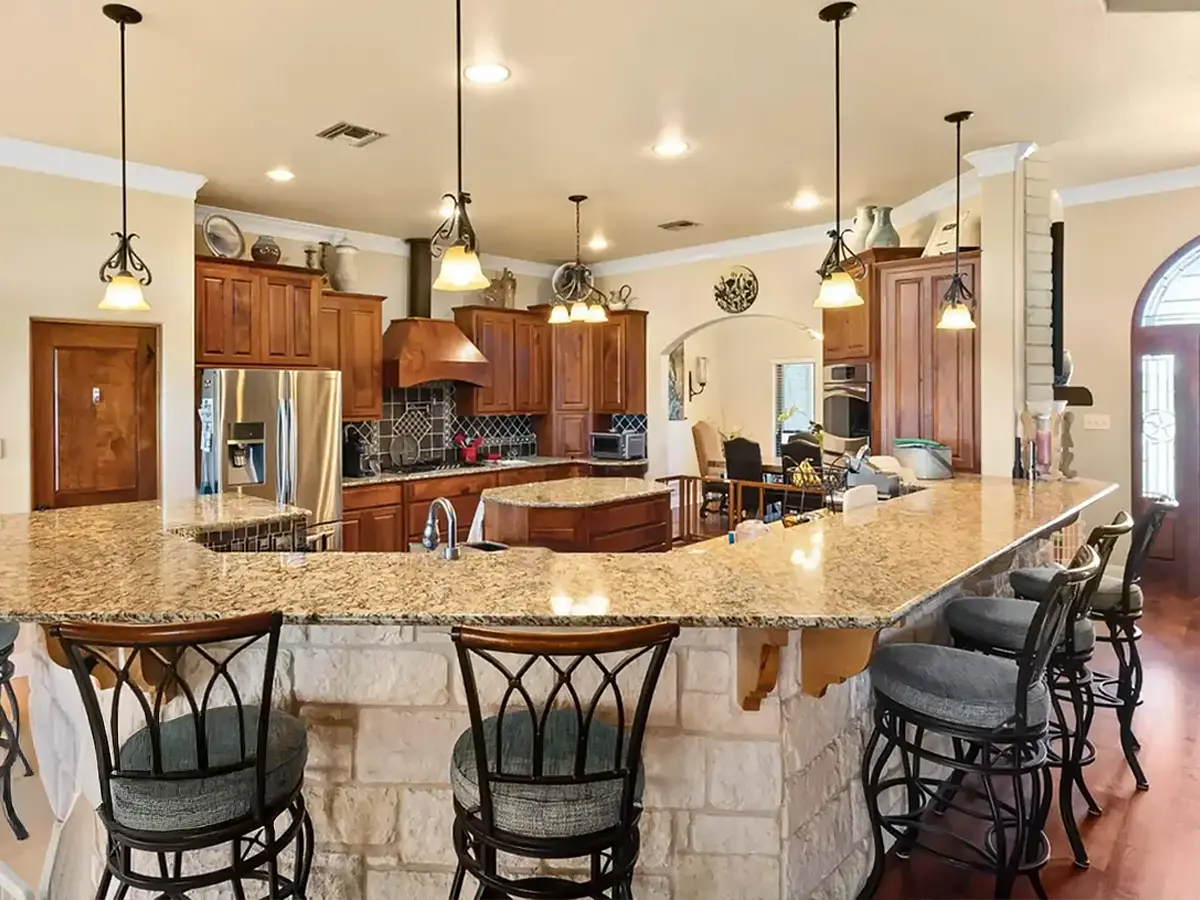
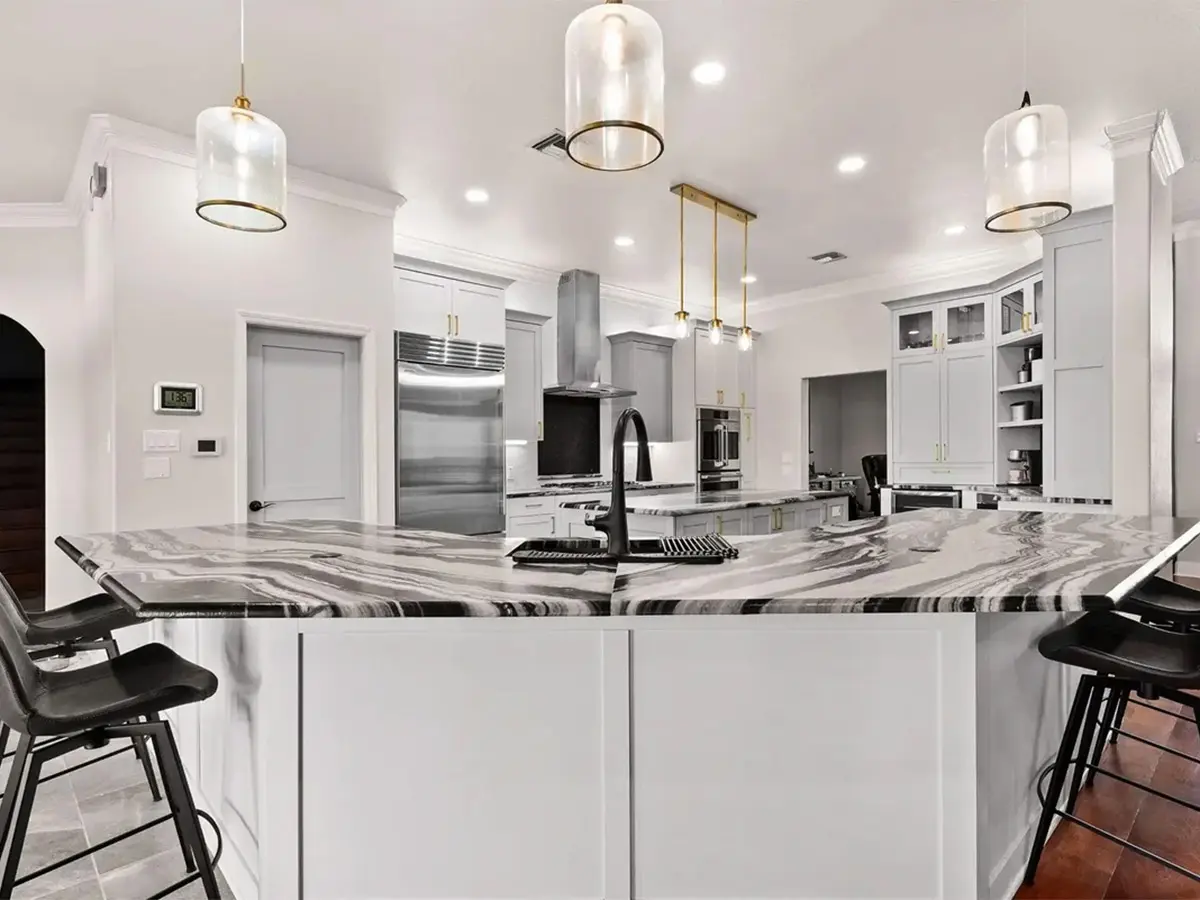
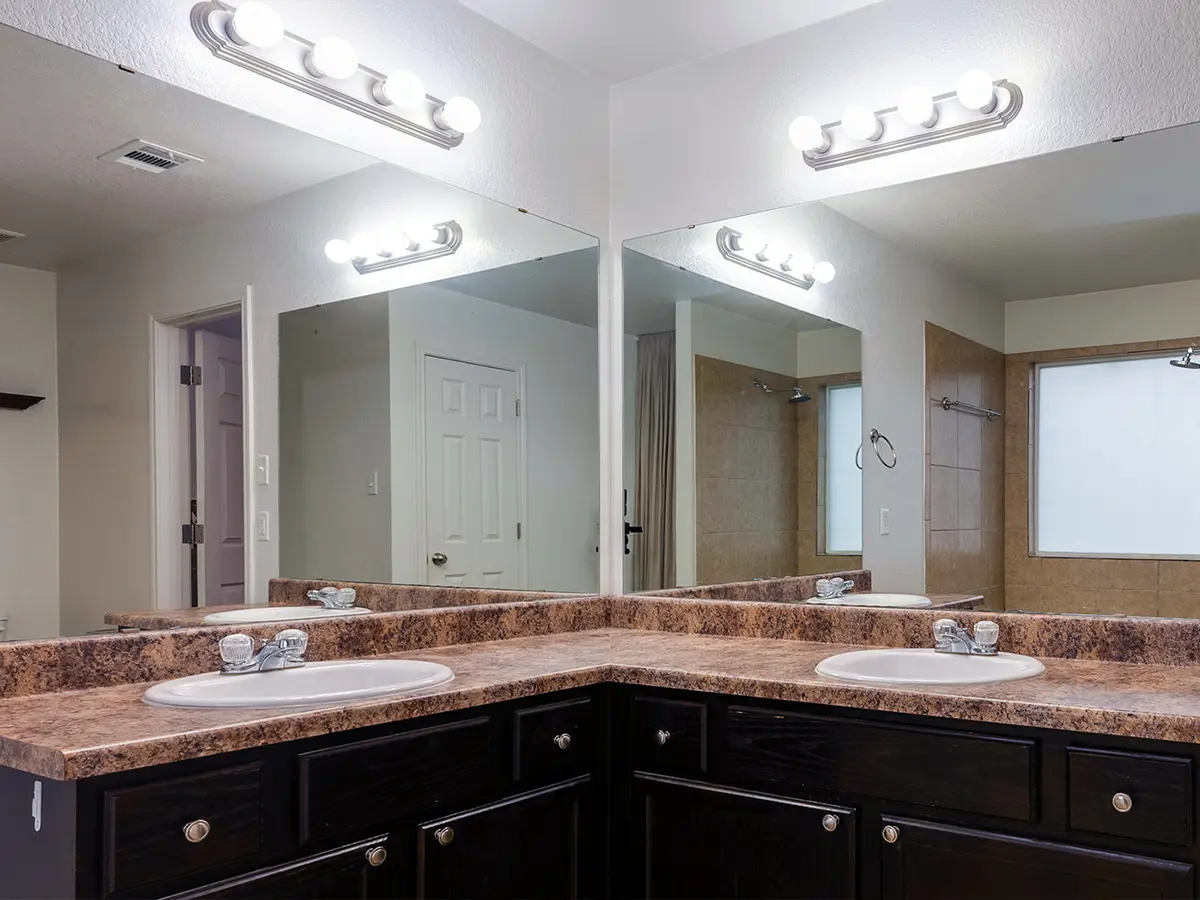
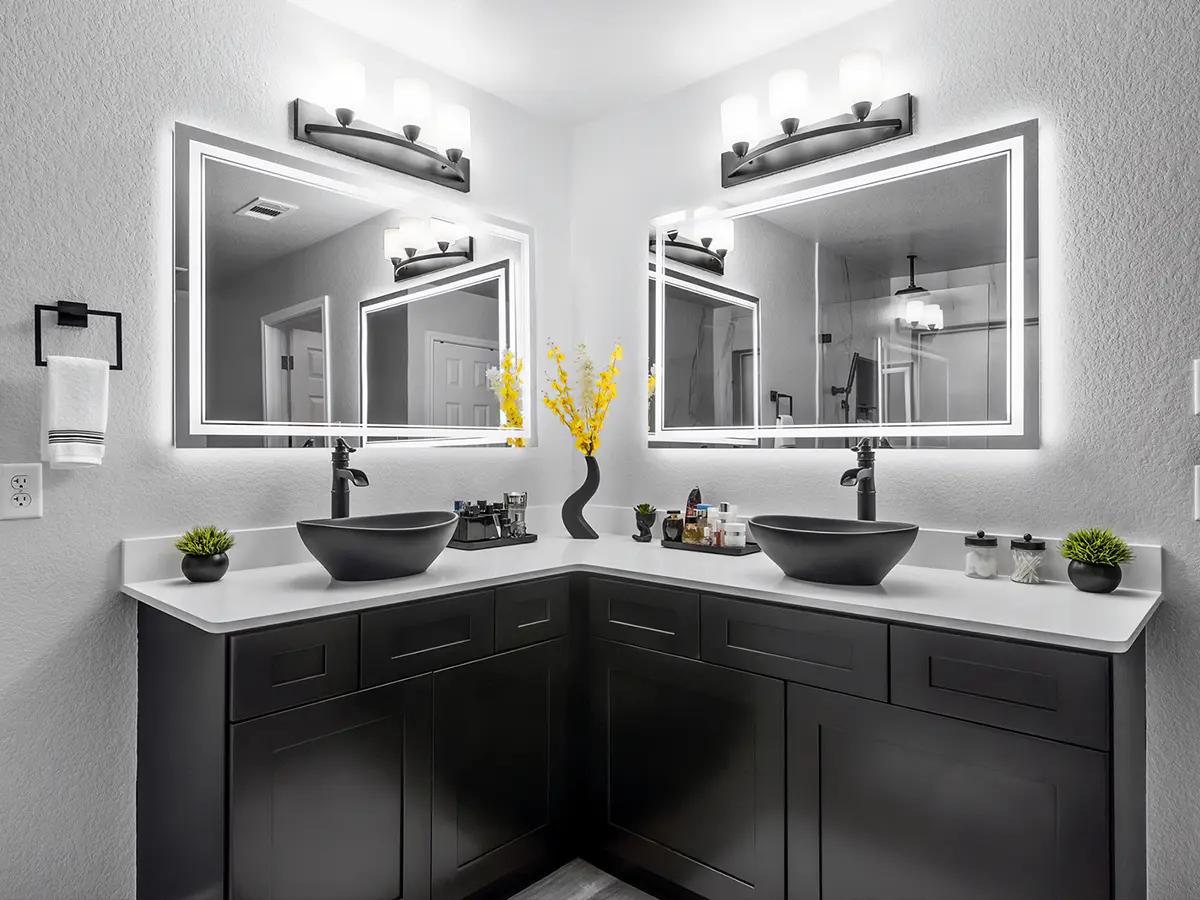
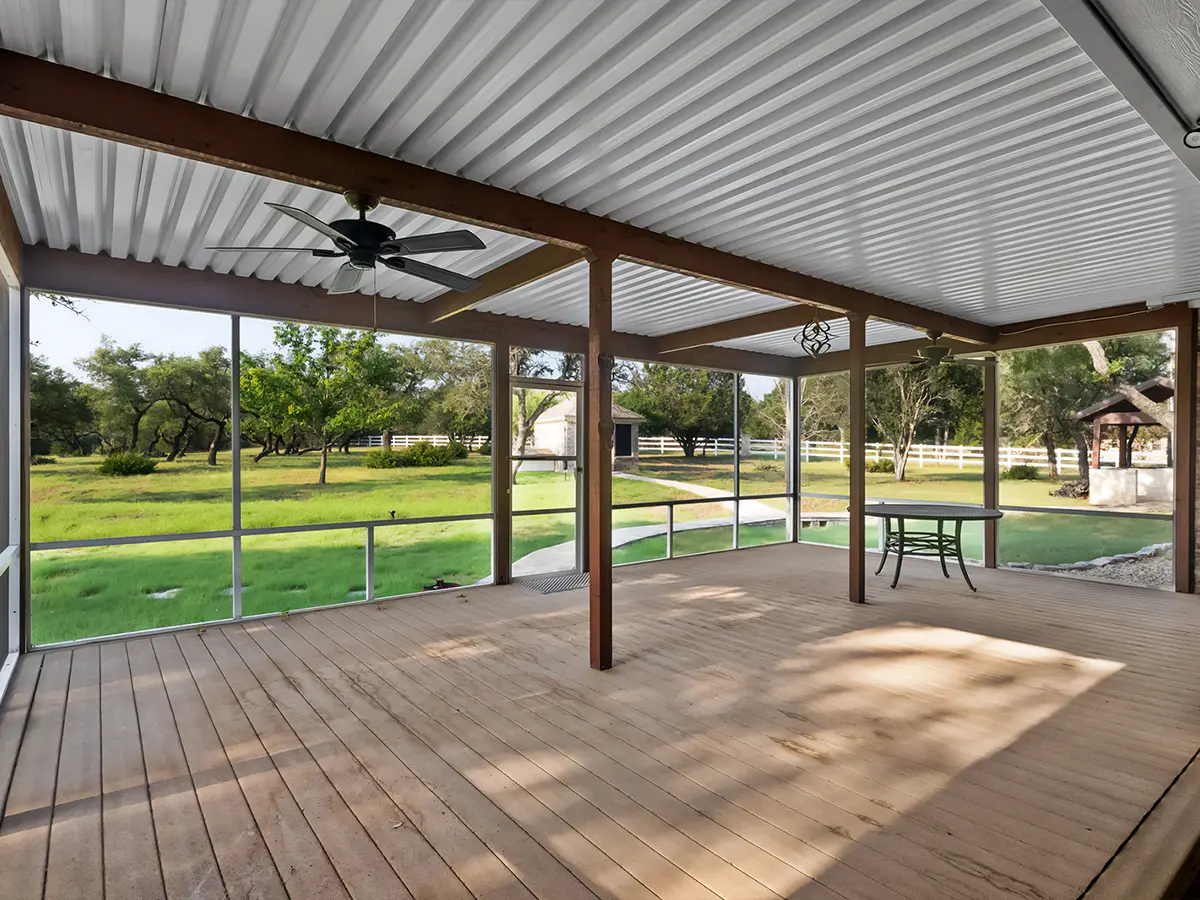
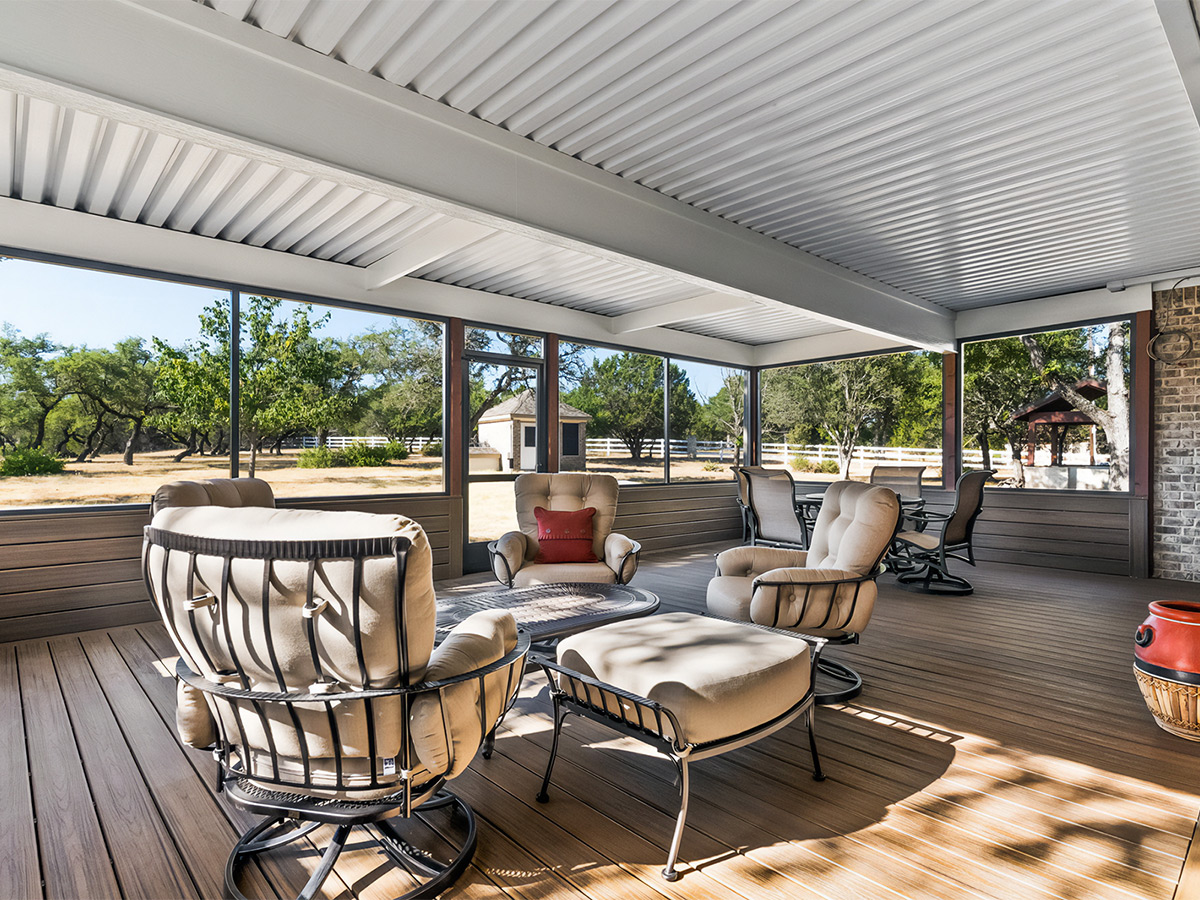
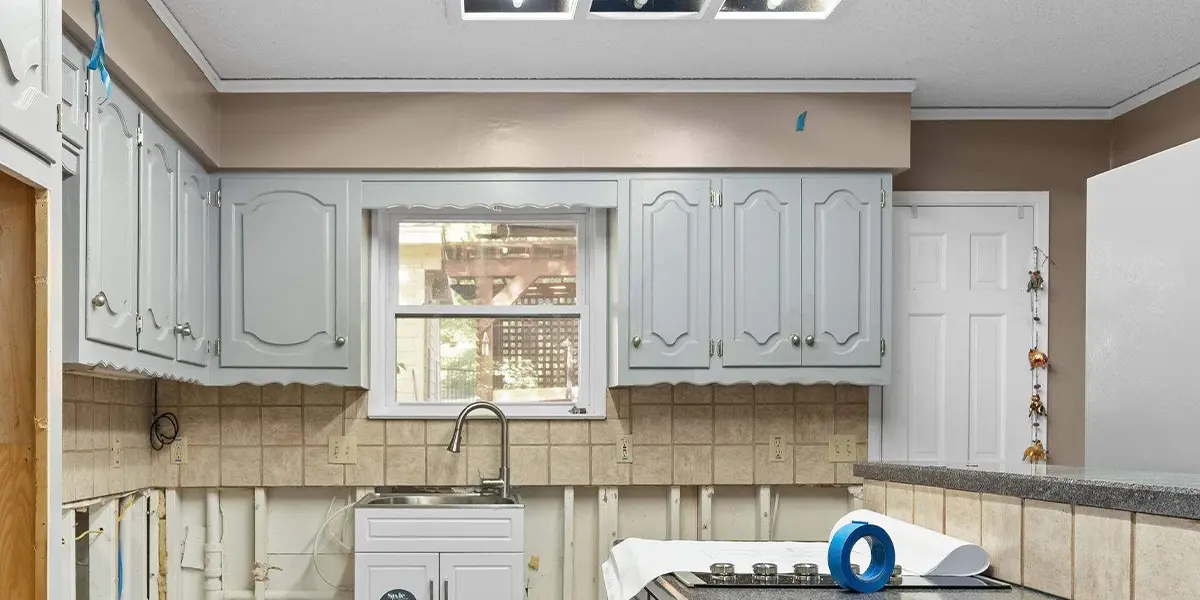
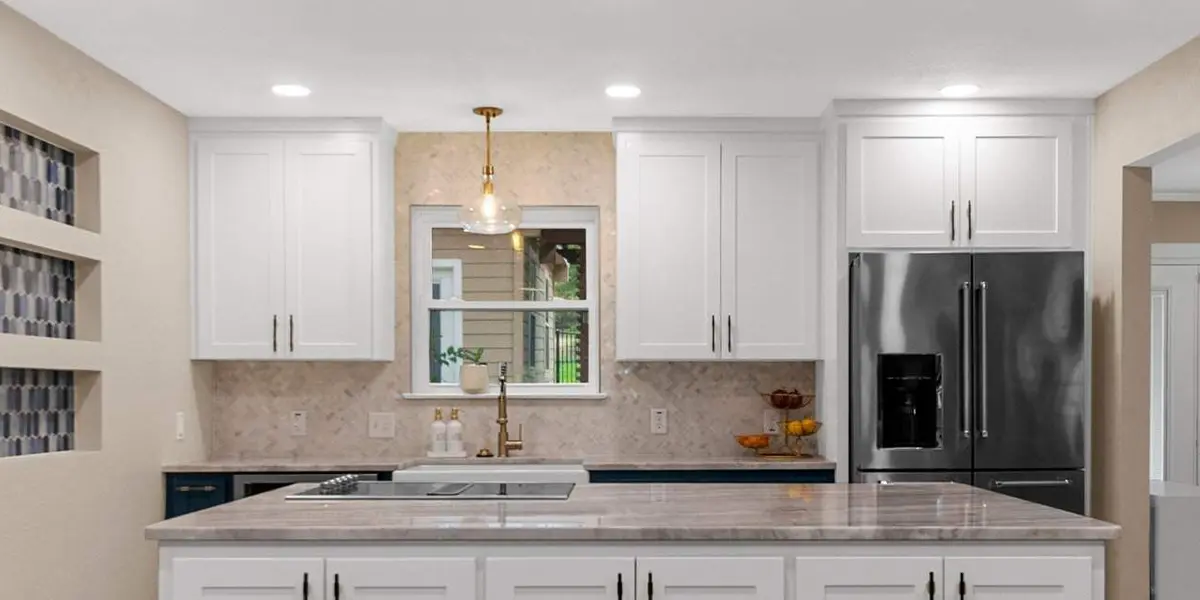
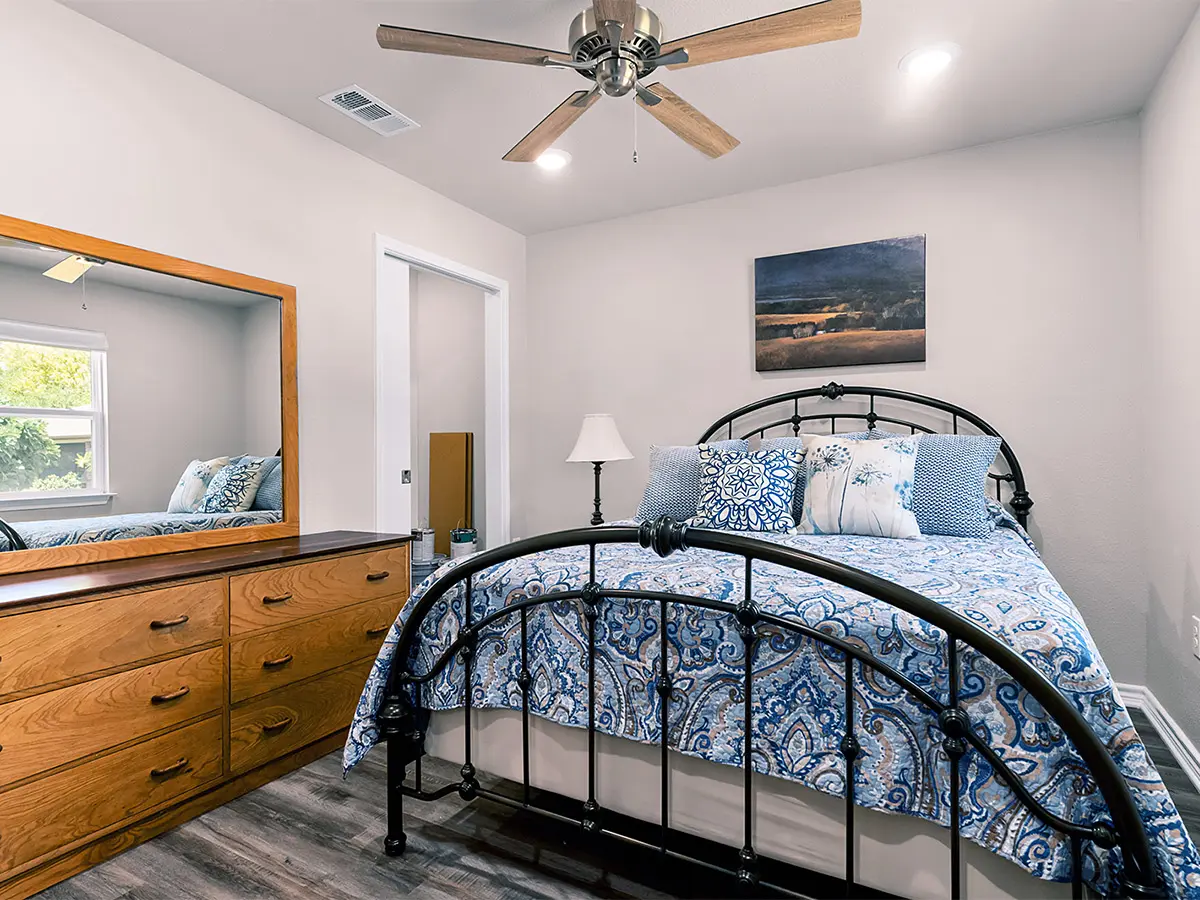
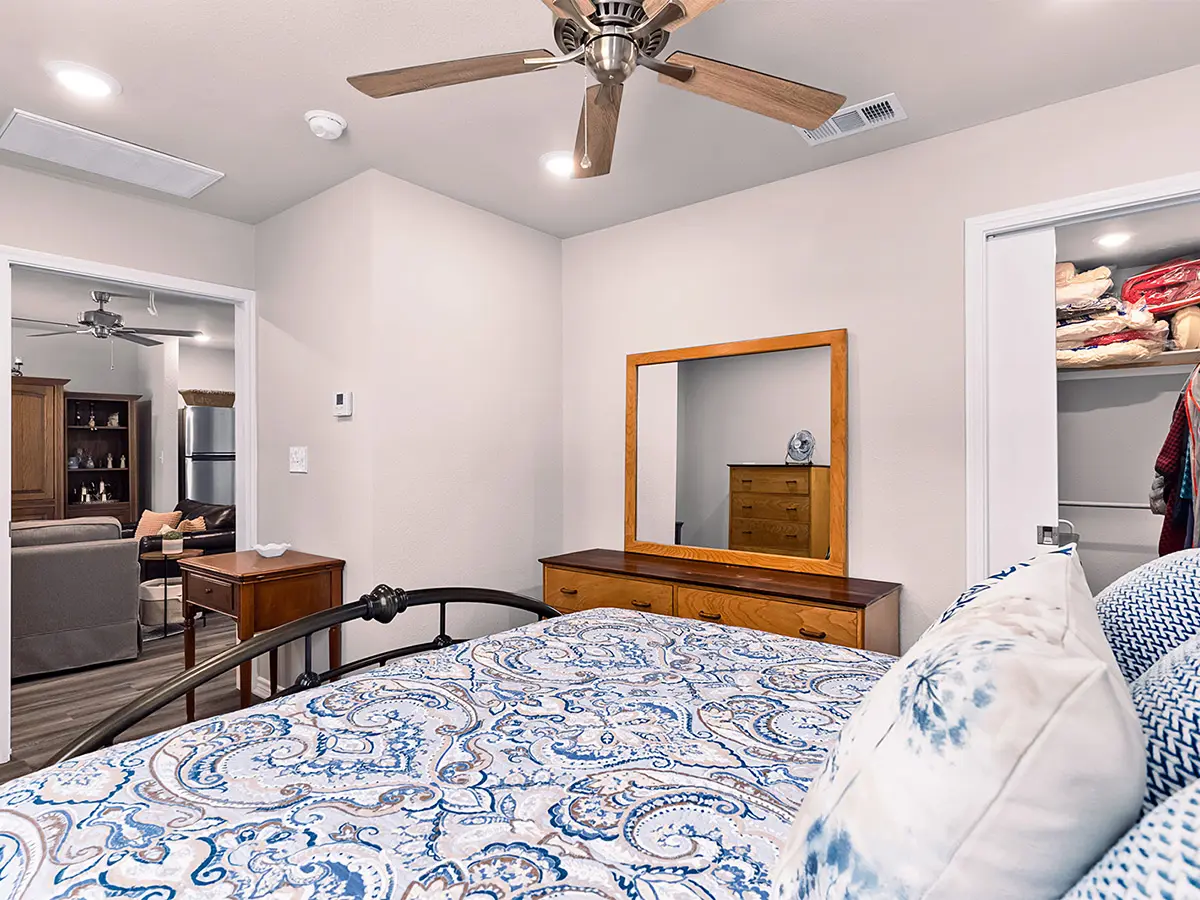
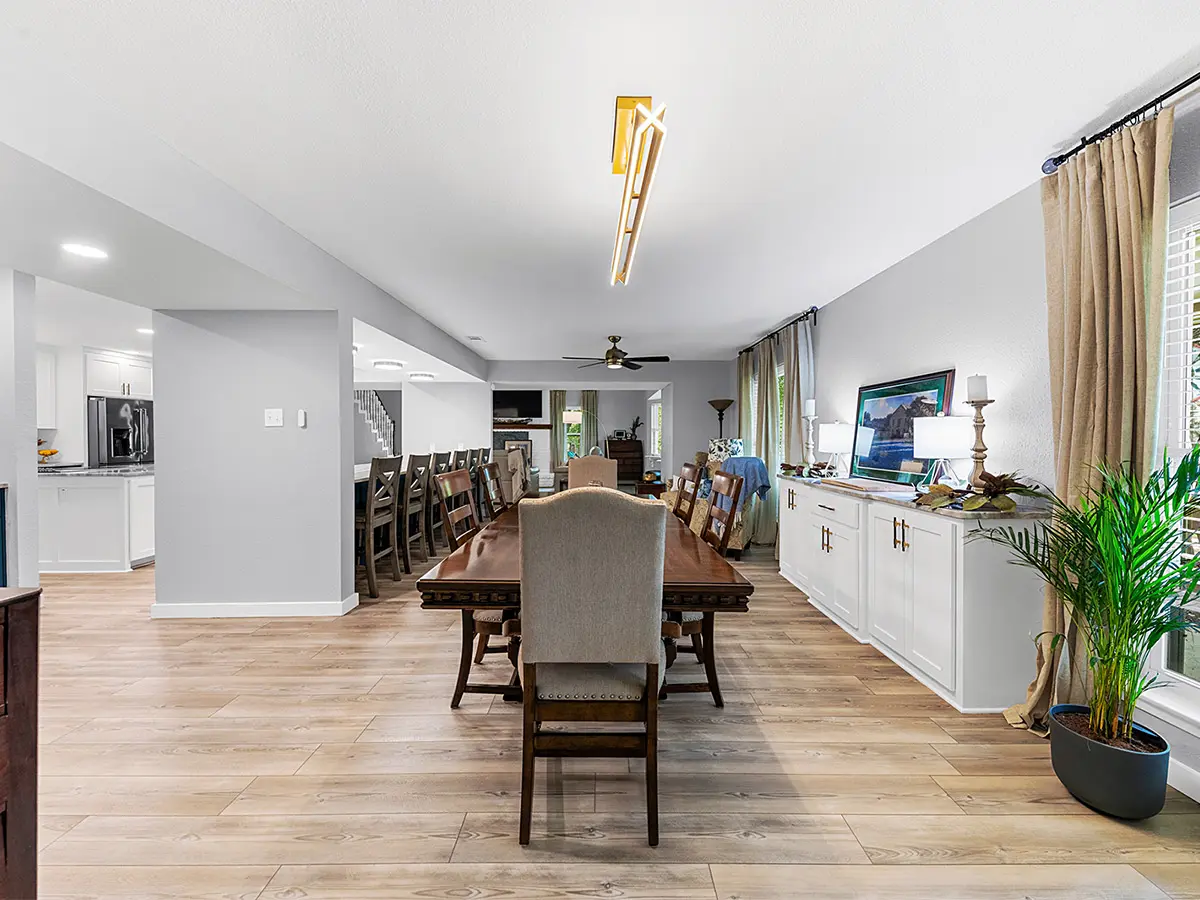
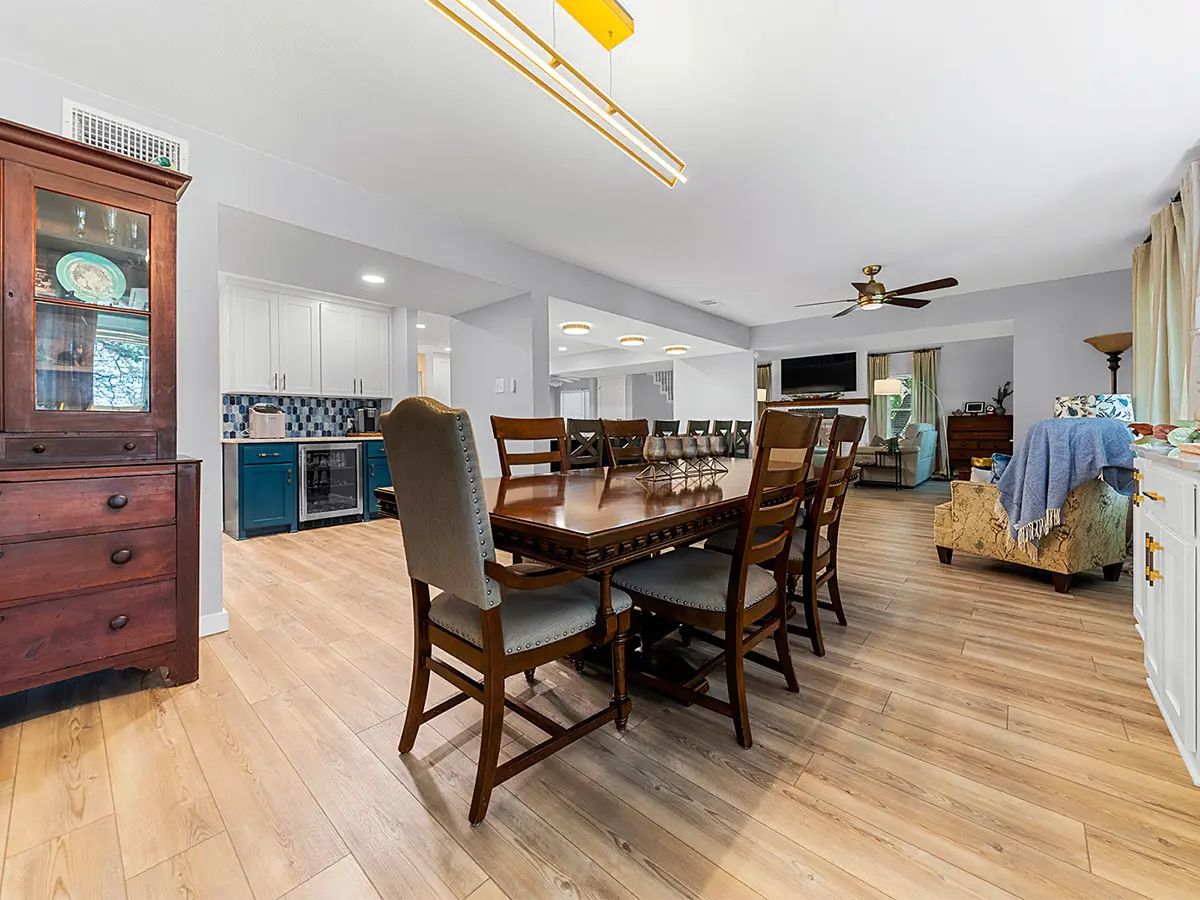
Explore our galleries – click the tabs below to see stunning home remodeling projects by Gill Construction!
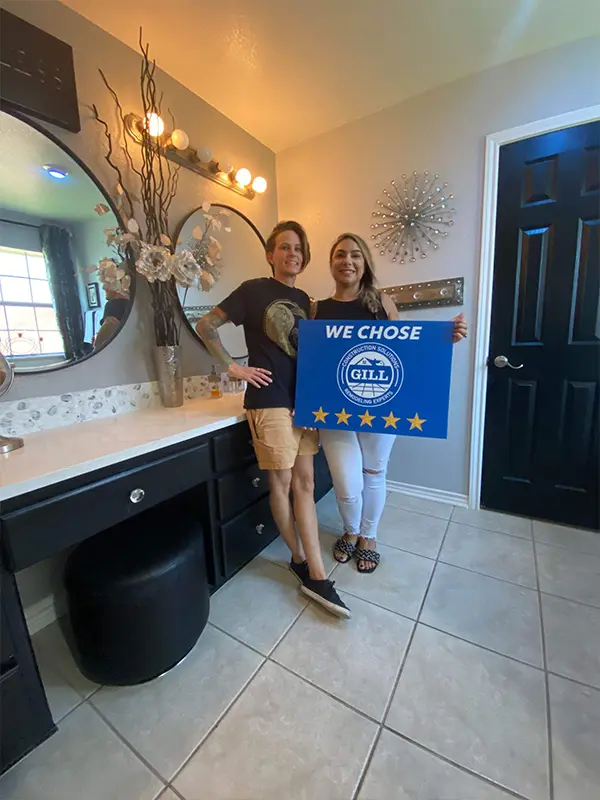
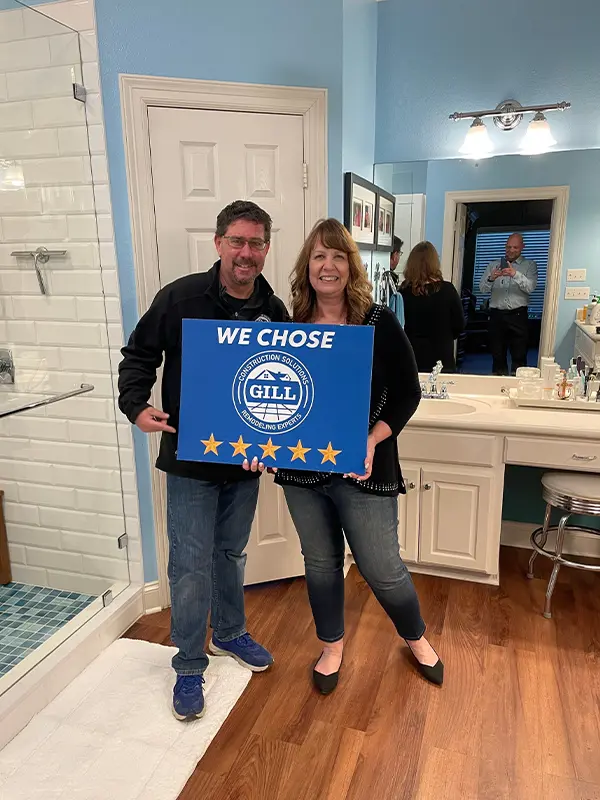
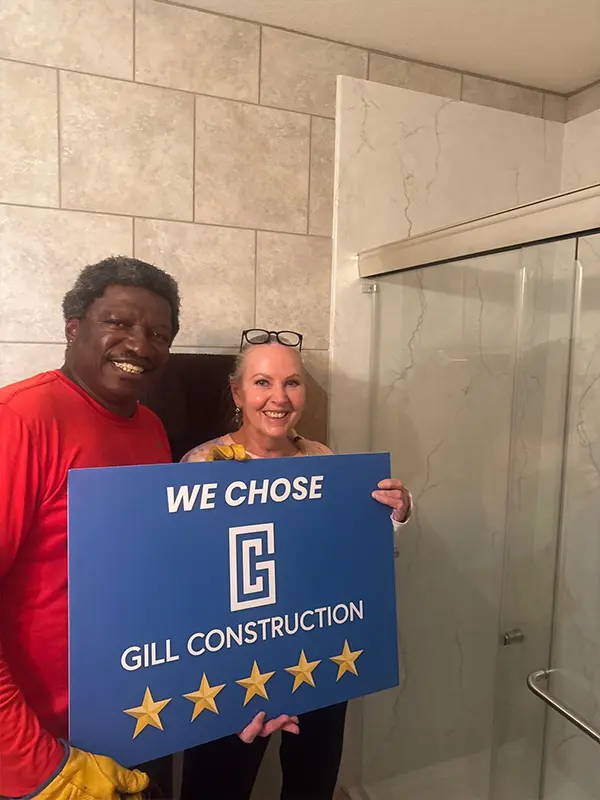
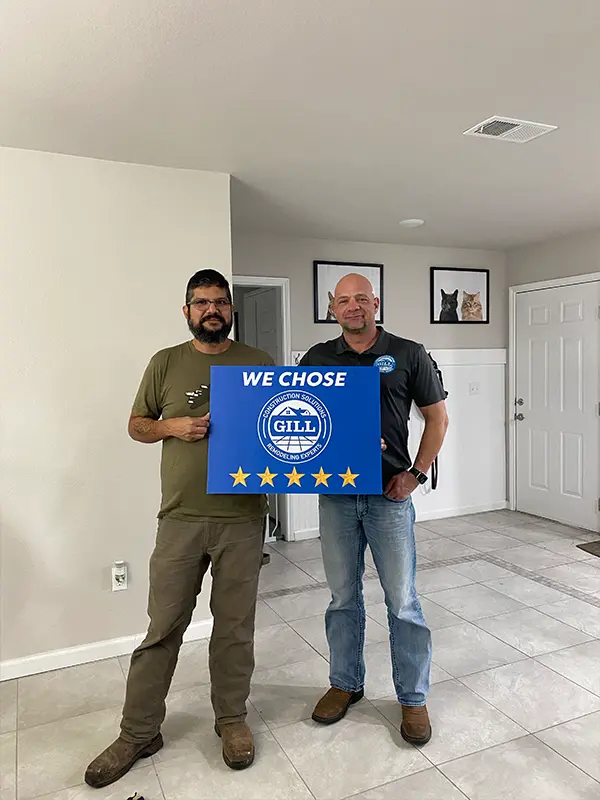
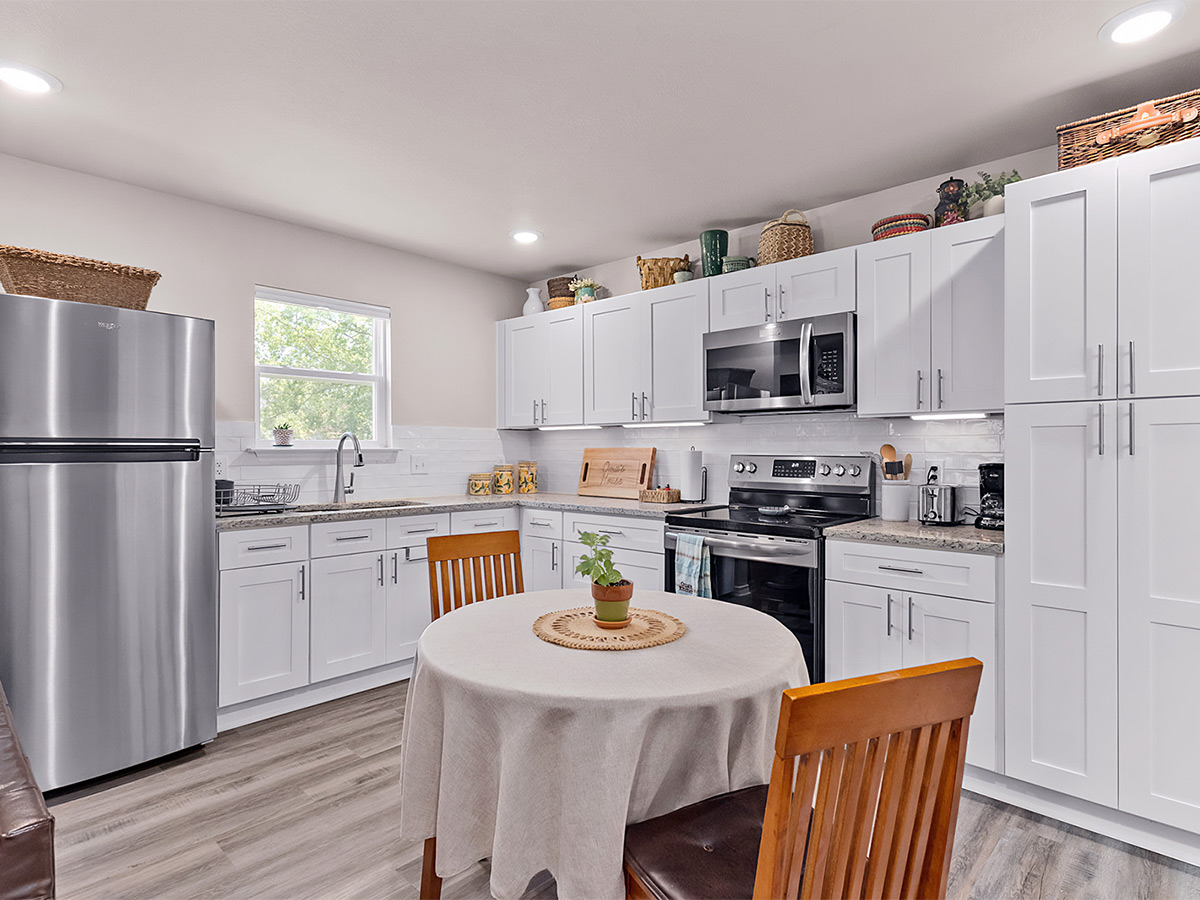
We had our kitchen remodeled by Gill Construction. They were very customer oriented, professional, and did a fantastic job. I’ve already received a lot of compliments. I would recommend them to anybody.
or read more on
Jerrica Davis
★★★★★Rated 5 out of 5
I made the appointment online and it was seem less, they are all very professional and they do amazing work. If you’re looking for a company you can trust please do yourself a favor and check them out
or read more on
Alexis Figueroa
★★★★★Rated 5 out of 5
Greg was a true professional. He helped me from the beginning to ensure everything went right. I would recommend this company to any. Steve maintained great communication with quick response and pin point time of scheduling. Thank you
or read more reviews on
Scott Glenn
★★★★★Rated 5 out of 5
From the communication through the actual hands-on work, Gill construction has been fabulous to work with. A gentleman that were here doing the work were professional, courteous, and definitely masters of the craft. I highly recommend Gill Construction.
or read more on
Anthony Stasulli
★★★★★Rated 5 out of 5
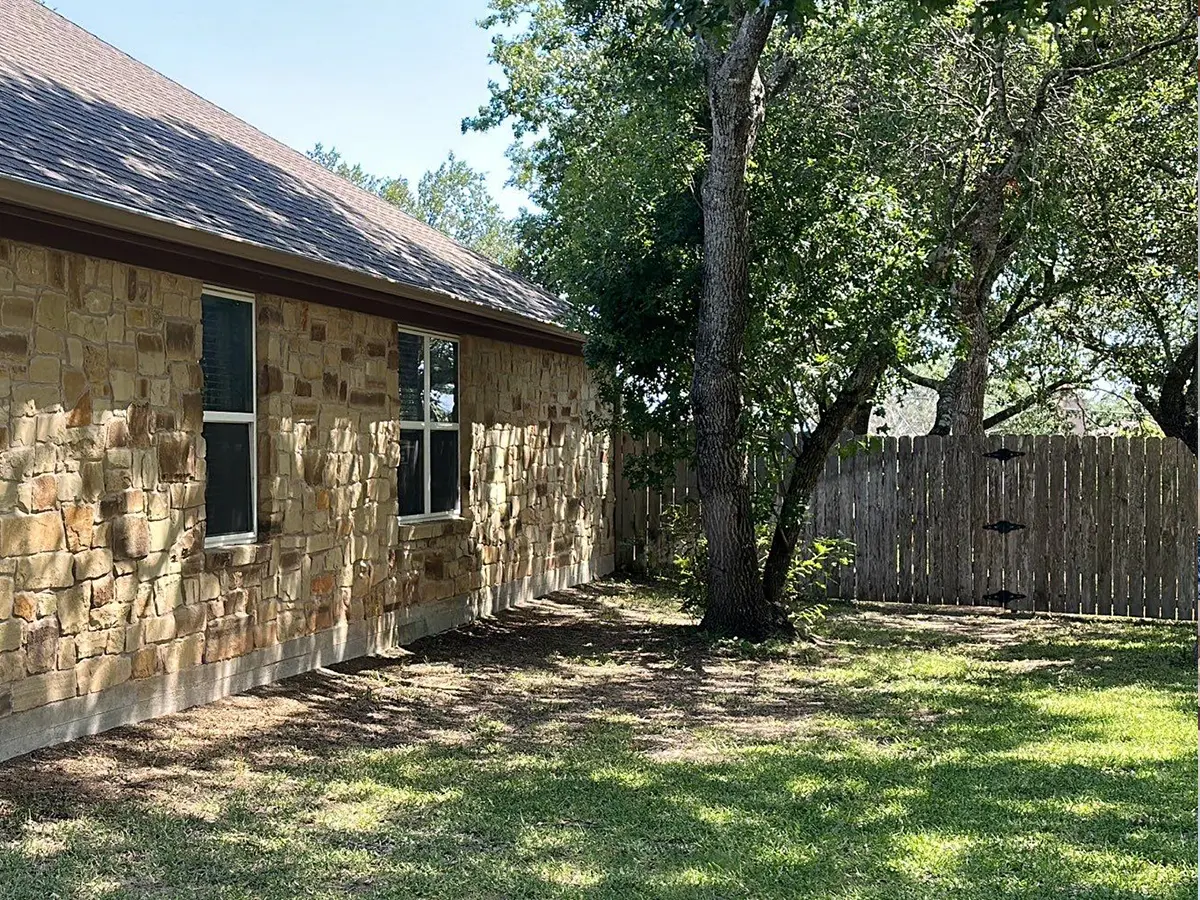
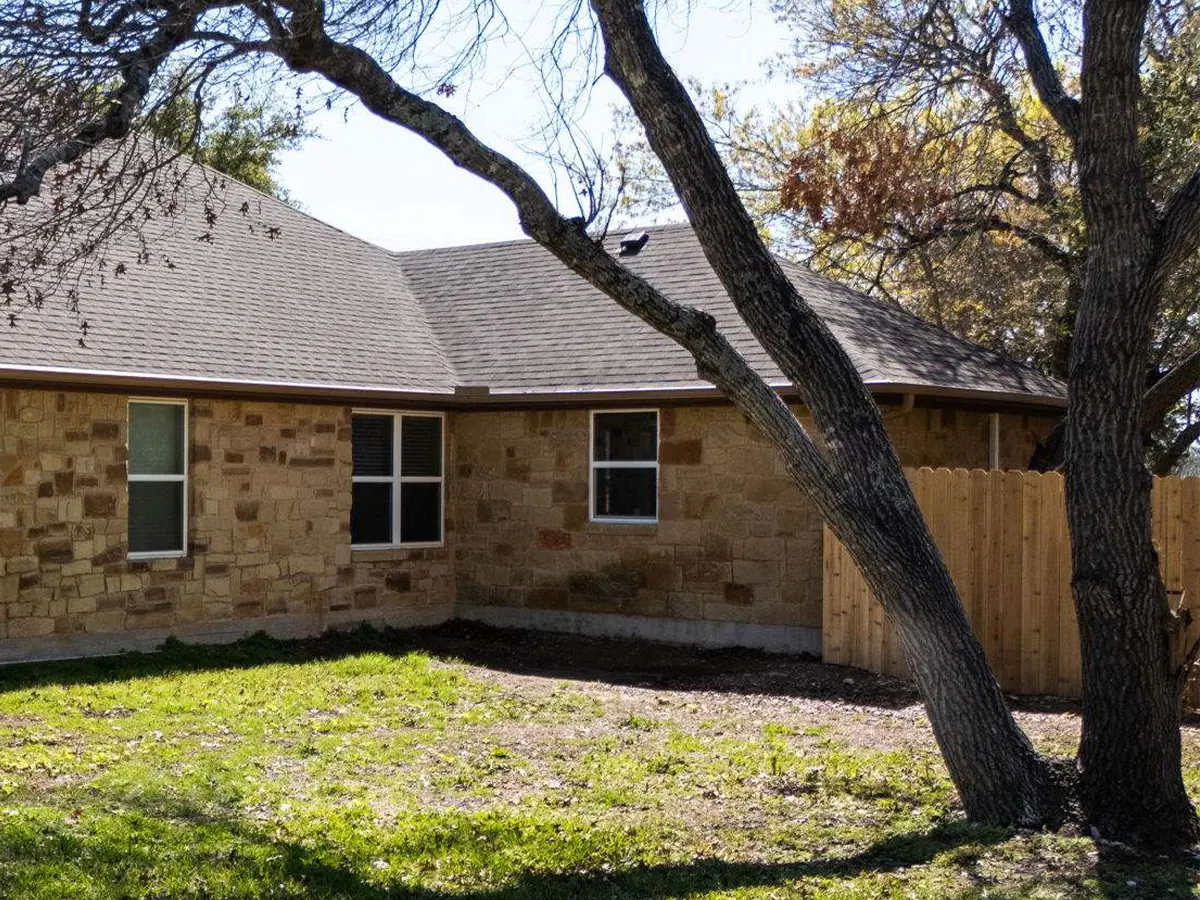
We hired Gill Construction to demo and rebuild our back brick wall, and we’re beyond impressed with the results. It looks like nothing ever happened—no debris, no mess, just clean, solid work. They also remodeled our bathroom, and it’s hands down the nicest part of our home now. High-quality craftsmanship, attention to detail, and super professional throughout. Highly recommend!
or read more on
Cathy K
★★★★★Rated 5 out of 5
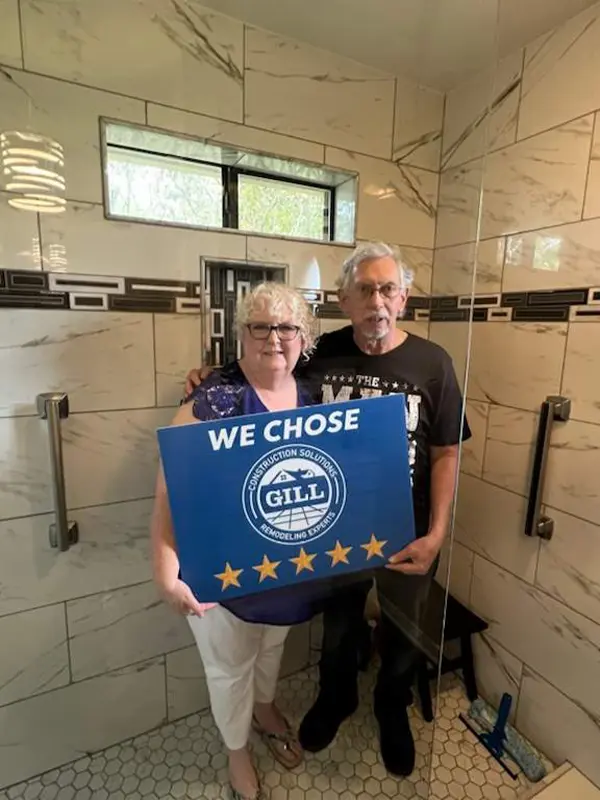
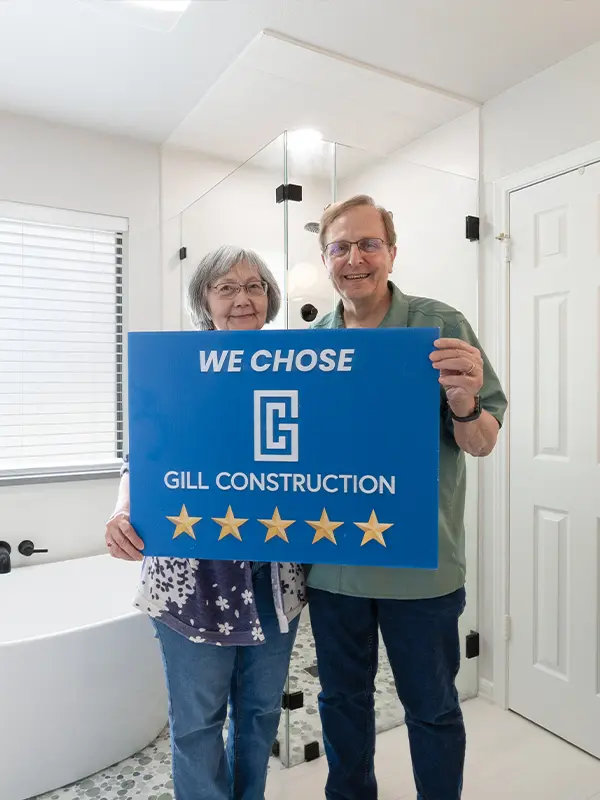
Gill Construction’s crew turned what seemed to be a tiny bathroom in my thirty something year old home into a lovely, comfortable, and spacious place. They didn’t just meet my expectations with this project, they exceeded them. That I am looking forward to working with them on my next project should speak volumes.
or read more reviews on
Your Home Upgrade, With The Right Contractor
We know the “Chuck in a Truck” and how he operates. This is what makes us better…
With others...
Contractor barely picking up the phone
0 accountability during or after the job
Subpar communication and craftsmanship
Unnecessary delays and hidden fees
A frustrating home upgrade
With
Same-day phone consultations
Itemized proposals with the cost & scope
Daily project logs and progress pictures
Licensed and certified installers
A great workmanship warranty
4 Risk-Free Guarantees
A streamlined, beautiful home upgrade
Come Home to a Place That Matches Your Personality and Needs
Our production calendar is limited. Book your consultation today!