Hiring the wrong bathroom remodeling contractor costs more than money. It costs time, stress, and sometimes structural damage that takes years to undo. The good news: a handful of direct questions asked upfront will tell you almost everything about a contractor before a single tile gets pulled.
Ask about licensing, insurance, permits, timelines, payment schedules, and their past work. Get a written contract before any money changes hands. That’s the short version.
Here’s the longer one.
Start Before You Even Pick Up the Phone

Most homeowners jump straight to getting quotes. A smarter move is knowing what you want before you talk to anyone. Rough out your vision, set a realistic budget, and decide whether your bathroom renovation involves layout changes (like moving plumbing) or just surface upgrades. That clarity shapes every conversation that follows.
Once you have a direction, ask family members and neighbors for names. Personal recommendations still carry more weight than any ad. Then cross-reference those names with online reviews, and check whether they’ve had complaints filed through the Better Business Bureau. Pull together at least three potential contractors before you commit to anyone.
The Questions That Actually Matter
Some questions feel obvious. A few aren’t, and those are the ones that make or break a remodeling project.
Are you licensed, insured, and pulling the necessary permits?
This is the non-negotiable. A licensed contractor has met state requirements for training, background checks, and financial responsibility. Workers’ compensation insurance protects you if someone gets hurt on your job site. Liability insurance covers property damage. The FTC’s consumer guidance on hiring contractors is explicit: always ask for proof of both before anyone sets foot in your home.
A contractor who wants you to pull the permits yourself, or who suggests skipping permits altogether, is a red flag. Unpermitted work can complicate your home sale, void your homeowner’s insurance, and leave you with code violations to fix later.
Can I see completed bathroom projects similar to mine?
Portfolios are easy to curate. What matters more is context. Ask whether the contractor personally managed those completed projects or if they subcontracted the work. Ask to speak with homeowners from those previous projects. A reputable contractor should have references ready to go without hesitation.
The Table That Saves You a Headache
| Question | What a Good Answer Looks Like | Red Flag |
| Are you licensed and insured? | Provides documentation immediately | Vague answers, asks you to trust them |
| Who does the actual work? | Named team or transparent subcontractor management | Evasive about who shows up on your job |
| How do you handle unexpected issues? | Clear escalation process, discusses communication | “We’ll figure it out as we go” |
| What does the payment schedule look like? | Milestone-based, reasonable deposit | Full payment upfront required |
| Do you handle the permits? | Yes, always | Suggests homeowner pull permits |
| What warranty do you offer? | Written, specific timeframe | No warranty or only verbal |
What to Ask About Timelines and Money
What does your payment schedule look like?
A standard payment structure for a bathroom remodel project is milestone-based, meaning you pay in stages as work gets completed. A contractor asking for everything upfront is asking you to carry all the risk alone. Final payment should always wait until the work is done and you’re satisfied with it.
What’s your timeline, and do you have other active projects running simultaneously?
A vague timeline isn’t a minor inconvenience. It affects when you can use your bathroom again, which matters if it’s your only one. An experienced contractor gives you a realistic window and explains what might extend it, like material lead times or discovery of hidden water damage. They don’t promise the moon and disappear.
Curious how a bathroom renovation fits into your home’s overall value picture? Our 2025 Cost vs. Value report for Austin homeowners breaks down which remodels deliver the best return on investment.
The Written Contract
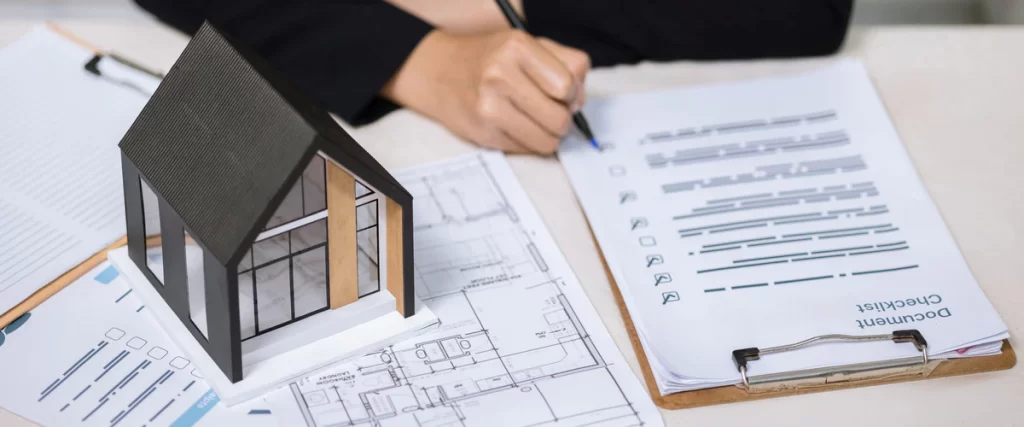
Everything discussed needs to be in writing before work begins. A solid legal contract should include:
- Scope of work with specific materials listed
- Payment schedule with amounts tied to milestones
- Start and end dates with provisions for delays
- Warranty terms for both labor and materials
- A clear process for changes or unexpected costs
Verbal agreements disappear. Written contracts hold. Never let a contractor frame a written contract as unnecessary or distrustful. It protects both of you.
Warning Signs Worth Memorizing
Not every contractor who causes problems announces themselves upfront. A few patterns show up consistently among homeowners who’ve had renovation projects go sideways:
- Pressure to sign quickly or accept a deal that expires today
- Unusually low quotes that seem too good to be true
- Resistance to providing license numbers or proof of insurance
- No physical business address, only a cell number
- Requests to pay a large portion or everything upfront in cash
Choosing a contractor based on the lowest price alone is one of the most common costly mistakes homeowners make. Quality work requires quality materials and skilled labor. Contractors who underbid often recoup the difference through change orders, cutting corners, or disappearing mid-project.
Communication Matters More Than You Think

The remodeling process is full of decisions, and some of them are time-sensitive. How does your chosen contractor prefer to communicate? How often will you get updates? Who do you contact if something unexpected comes up?
Clear communication from the start prevents misunderstandings that snowball into disputes. A contractor who is hard to reach during the bidding stage will be harder to reach once they have your money.
If you want a sense of what a smooth renovation experience actually looks like in practice, take a look at our case studies from past projects to see the scope and quality of work we’ve completed for homeowners like you.
FAQ
How many contractors should I contact before choosing one? At least three. Comparing quotes, timelines, and communication styles across multiple potential contractors gives you a baseline for what’s reasonable and helps you spot outliers on both ends.
Is it okay to hire a contractor I found online without a personal recommendation? Online reviews are useful, but dig further. Look for detailed reviews that describe the remodeling process and how the contractor handled unexpected issues. One-sentence five-star ratings without context aren’t reliable.
What happens if problems come up after the project is done? That’s exactly why written warranties matter. Before the project ends, do a walkthrough with your contractor and document anything that needs correcting. Make final payment only when you’re satisfied and the job site is clean and complete.
Should the homeowner be present during the remodel? When possible, yes. It speeds up decision-making, prevents miscommunication, and lets you catch concerns early. If you can’t be there, designate someone you trust.
Honestly? We’d Rather Just Handle This for You
Everything covered above is real and worth knowing. And it’s also a lot of work, especially when you’re already managing a home, a schedule, and a budget. If you’d rather skip the research and talk to a team with a proven track record and more than 50 years of experience behind them, we’re a call away.
Check out our bathroom remodeling services to get a feel for what we do and how we do it. Then call us at or message us here and we’ll take it from there.