The difference between a licensed vs unlicensed contractor is the difference between a renovation that adds value to your home and one that leaves you with legal headaches, shoddy work, and no recourse.
So what does it actually mean to hire a licensed contractor? And is it really that big a deal if someone can do the job for less without one? Let’s break it all down.
What Is a Licensed Contractor?
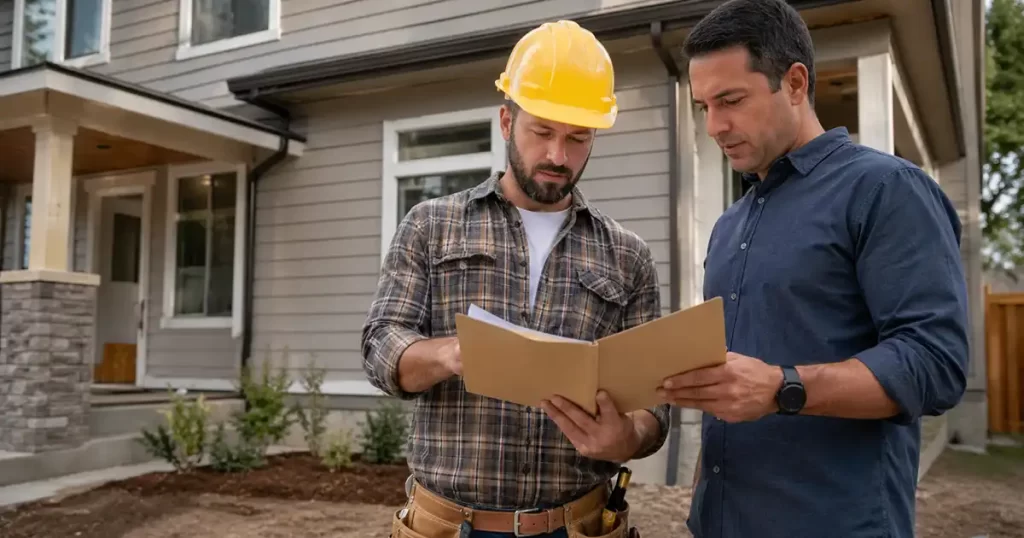
A licensed contractor is a professional who has met the specific requirements set by their state or local government to legally perform construction, remodeling, or specialty trade work.
Depending on where you live, obtaining a contractor’s license typically involves:
- Passing a written exam covering trade knowledge and business law
- Proving a certain number of years of field experience
- Submitting proof of liability insurance and, if they have employees, workers’ compensation insurance
- Paying applicable fees and registering with the appropriate licensing office
It’s worth noting that licensing rules vary widely from state to state. Texas, for example, regulates specific trades (such as electricians and HVAC technicians) at the state level, while general contractor oversight occurs locally through city or county building departments.
For specialty trades, most states make it easy to verify credentials. Your state’s contractor licensing board or local building department can confirm whether a specific tradesperson is properly licensed.
Why the License Actually Matters
When you hire someone without the appropriate license to do electrical work, plumbing, or structural changes, you’re taking on risks that aren’t always obvious upfront.
Building Permits and Code Compliance
Licensed contractors know how to pull permits. That matters because unpermitted work can:
- Fail a home inspection when you go to sell
- Result in a denied insurance claim if damage occurs in that area of your home
- Require expensive tear-out and redo to comply with building codes
Unlicensed individuals often skip the permit process entirely, either because they’re cutting corners or because they can’t legally obtain permits. Building departments generally require contractors to be licensed before issuing permits for regulated work.
Insurance Coverage That Actually Protects You
A licensed contractor typically carries liability insurance and, if they employ workers, workers’ compensation insurance.
If a worker is injured on your job site and the contractor doesn’t carry workers’ compensation, you may be held liable for those costs in many states. This varies by state and situation, so it’s always worth consulting a local attorney if you’re uncertain, but the risk is real and documented.
Liability coverage protects your property if something gets damaged during the project. Without it, you’re left negotiating directly with someone who may have no assets to cover the loss.
The Real Cost of “Saving” Money Upfront
| Factor | Licensed Contractor | Unlicensed Contractor |
| Verified qualifications | Yes | No |
| Can pull permits | Yes | Often no |
| Carries liability insurance | Required in most states | Rarely |
| Workers comp (if applicable) | Required with employees | Rarely |
| Legal recourse if work fails | Yes, via the licensing board | Very limited |
| Follows building codes | Yes | Not guaranteed |
That cheaper quote from an unlicensed contractor looks a lot less appealing when you factor in what’s missing. Many homeowners who tried to save money this way ended up paying twice: once for the original work, and again to fix it.
What to Ask Before You Hire A Contractor
When you’re vetting contractors for your renovation project, don’t just ask for a price. Ask for:
- Their license number and the agency or board it’s registered with
- A copy of their insurance certificate showing liability coverage, and workers’ comp if they have employees
- References from past clients with similar project scopes
- A written contract that outlines scope, timeline, and payment terms
- Whether they use subcontractors and whether those subcontractors are also properly licensed
That last one trips people up. A general contractor might be fully licensed, but if they hand parts of your job off to unlicensed subcontractors, you’re exposed to the same risks all over again.
Licensed or Unlicensed Contractor: Where Homeowners Usually Go Wrong
Most people don’t set out to hire unlicensed workers. It happens gradually.
Someone gets a referral from a neighbor, the price is right, and the person seems knowledgeable. Before they know it, they’ve handed over a deposit and the work has begun.
A few things to watch for:
- No physical business address or verifiable office
- Reluctance to provide licensing information in writing
- Pressure to pay in cash with no paper trail
- Quotes that seem dramatically below every other estimate
On their own, there aren’t automatic red flags. But when several show up at once, be careful. A legitimate contractor will never make you feel like you’re being difficult for asking to verify their credentials.
Specialty Trades Deserve Extra Scrutiny
If your project involves electrical, plumbing, or gas work, the stakes go up considerably.
Electricians and plumbers operate under specific standards tied directly to safety. Faulty wiring causes fire, and bad plumbing causes water damage and mold. These aren’t theoretical risks.
Licensed tradespeople in these fields have completed supervised apprenticeships, logged thousands of hours of on-the-job training, and passed licensing exams built around safety and code compliance.
In Texas, for example, a journeyman electrician must complete 8,000 hours of supervised training, and a master electrician must log 12,000 hours before they can qualify. That kind of requirement exists for a reason.
What Happens If Something Goes Wrong
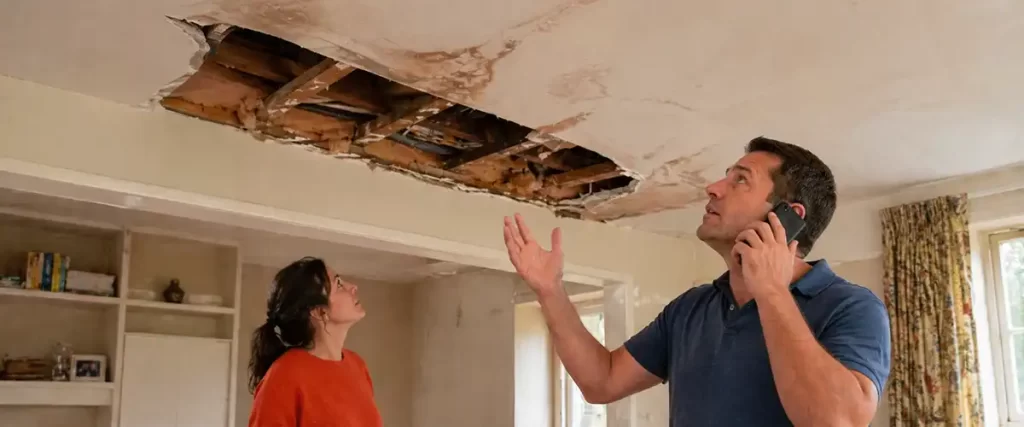
If you hire an unlicensed contractor and the work is defective, your legal options are limited. You can’t file a complaint with a licensing board because there’s no license on record.
You may be able to pursue the contractor in small claims court, but collecting on a judgment can be difficult if the contractor has few assets.
On the insurance side, if damage occurs that’s related to unpermitted work, your insurer may deny that specific claim on the grounds that you failed to meet code requirements.
As for legal penalties, the consequences of working without a license fall primarily on the contractor. In most states, homeowners aren’t criminally charged for hiring an unlicensed contractor, though they do bear the financial consequences if things go wrong.
FAQ: Licensed vs Unlicensed Contractors
Can an unlicensed contractor do any work legally?
In many states, small jobs below a certain dollar threshold don’t require a license. But anything involving structural work, electrical, or plumbing almost always requires one. Check with your local building department or state licensing board before assuming smaller work is exempt.
What happens if I hire an unlicensed contractor and something goes wrong?
Your legal options are limited. You generally can’t file a complaint with a licensing board since there’s no license on record. Small-claims court is often the only option, and collecting on a judgment from someone with few assets can be challenging.
Does a contractor’s license guarantee quality work?
t’s not a guarantee, but it means the contractor met a defined standard to earn the license and can be held accountable through official channels if something goes wrong.
How do I verify a contractor’s license? For specialty trades like electricians and plumbers, search your state licensing board’s website. For general contractors, contact your local building department since some states regulate GCs locally rather than at the state level. Always verify directly rather than taking a contractor’s word for it.
Are there legal penalties for hiring an unlicensed contractor?
In most states, the legal penalties fall on the contractor, not the homeowner. That said, homeowners do face serious financial consequences: potential liability for injuries, denied insurance claims related to unpermitted work, and the cost of redoing defective work.
What’s the difference between a license and a certification?
A license is issued by a government agency and is legally required to perform certain types of work. A certification is typically issued by an industry association and may indicate additional expertise, but it isn’t always required by law.
Do subcontractors need to be licensed, too?
In most states, yes. Specialty subcontractors, especially those in electrical, plumbing, and HVAC, generally need their own licenses. Always ask your general contractor whether the subs they use are properly licensed and insured.
Work with a Contractor You Can Trust
At the end of the day, figuring out whether a contractor is properly licensed, insured, and compliant takes time and know-how that most homeowners don’t have. Rather than working through all of this on your own, connect with a team that’s already cleared every bar.
Working with a reputable, licensed remodeling company from the start makes everything easier. Gill Construction handles the licensing, permitting, and compliance side so you don’t have to think about it.
Call us at or message us here to talk through your project. You show up with a vision, and we handle the rest properly and by the book.