
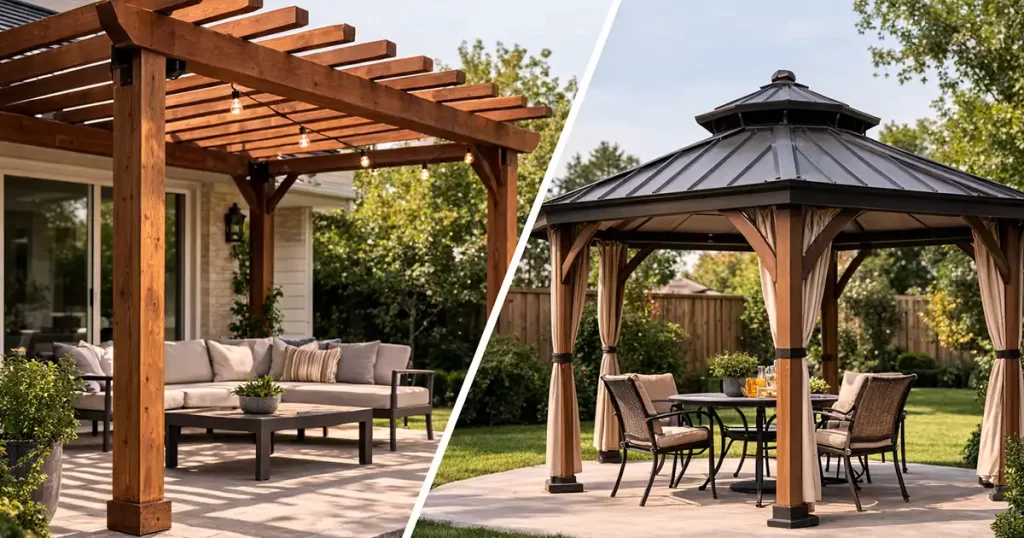
When homeowners compare pergola vs gazebo, the confusion usually comes from the fact that both structures improve outdoor living space, yet they serve very different purposes. At first glance, they can look similar, but the design, weather protection, cost, and long-term use are not the same. Choosing the wrong one can lead to a space that does not fit how you actually use your backyard.
This guide explains the real differences between a pergola and a gazebo, how each structure performs in different climates, how much they typically cost, and which one makes more sense depending on your yard, budget, and lifestyle.
Pergola vs Gazebo: Quick Comparison Overview
| Feature | Pergola | Gazebo |
|---|---|---|
| Roof design | Open slats or adjustable louvers | Solid enclosed roof |
| Weather protection | Partial shade, limited rain cover | Full protection from sun and rain |
| Structure style | Open and airy | More enclosed and defined |
| Placement | Can attach to house or be freestanding | Usually freestanding |
| Cost | Lower in most cases | Higher due to roof and framing |
| Maintenance | Easier to maintain | More cleaning and upkeep |
| Best use | Patio cover, dining, lounge area | All-weather seating space |
| Modern options | Louvered pergola, aluminum pergola, patio cover | Traditional wood or vinyl gazebo |
The main difference is simple. A pergola creates a shaded outdoor space that still feels open. A gazebo creates a covered outdoor room that protects you from the weather.

What Is a Pergola?
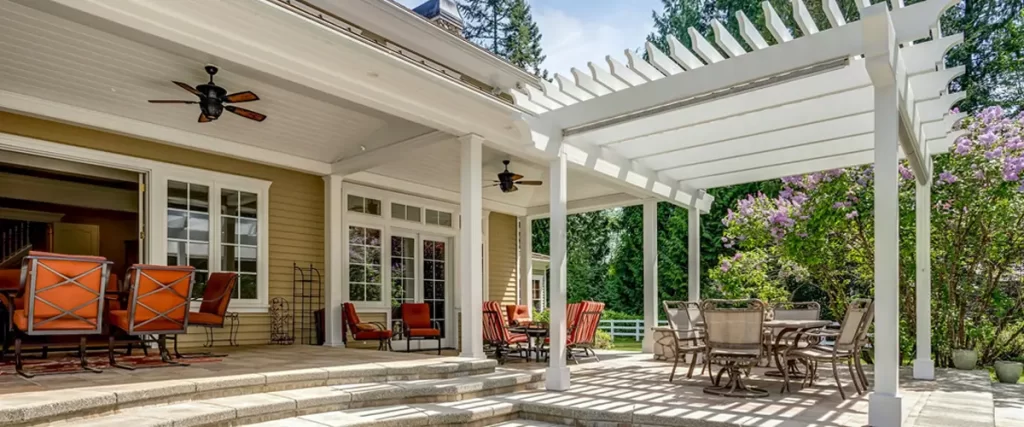
A pergola is an outdoor structure built with vertical posts and a slatted or open roof. The roof is designed to provide partial shade instead of full coverage, which keeps the space bright and connected to the surrounding yard.
Many pergolas are built over patios, decks, or outdoor dining areas. Some attach directly to the house, while others stand on their own in the yard. Because the sides stay open, air can move freely, which makes pergolas comfortable in warm climates.
Pergolas are popular for modern outdoor living spaces because they look clean and simple. They also work well with climbing plants, string lights, or fabric covers. Over time, vines or shade panels can turn a basic pergola into a more private and shaded space.
Modern pergolas are not limited to wood. Aluminum, steel, and motorized louvered pergolas are common today, allowing homeowners to adjust the amount of sun or rain protection when needed.
What Is a Gazebo?
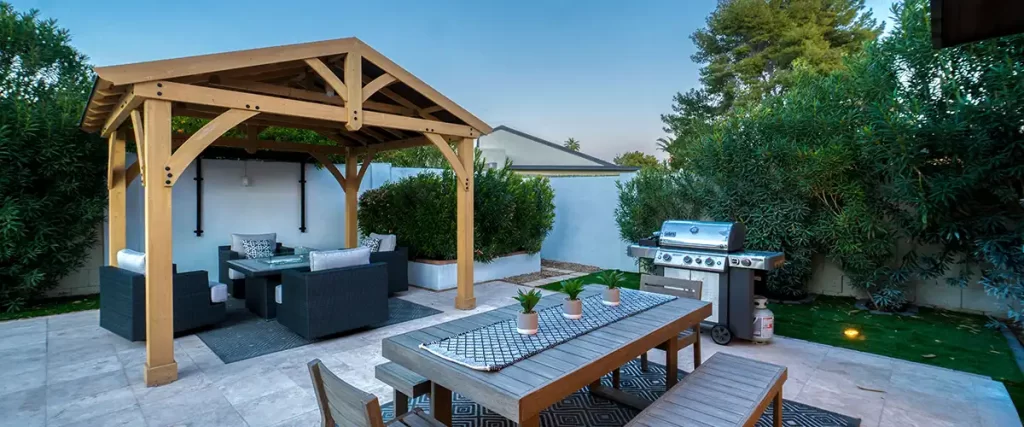
A gazebo is a freestanding outdoor structure with a solid roof and a more enclosed design. Traditional gazebos often have six or eight sides, but square and rectangular styles are also common. Unlike a pergola, the roof fully covers the space underneath.
Because of the enclosed roof, a gazebo provides real protection from rain, strong sun, and even light snow. Many gazebos sit on a concrete slab, deck, or raised floor, and some include railings, screens, or partial walls.
Gazebos are usually placed in a central part of the yard where they become a focal point. They work well for seating areas, outdoor dining, or quiet spaces where you want shelter without going indoors.
Since the structure is heavier and more complex, gazebos require stronger framing and a solid foundation. This is one reason they tend to cost more than pergolas.
Roof Design and Weather Protection Differences
The roof is the biggest difference when comparing pergola vs gazebo.
A pergola roof has open slats or adjustable panels. This allows sunlight to pass through while still creating shade. It also means rain can come through unless a canopy or louver system is added.
A gazebo roof is fully enclosed. It blocks direct sun, keeps rain off furniture, and makes the space usable in almost any weather.
In hot climates, pergolas can feel cooler because heat can escape through the open roof. In rainy or storm-prone areas, gazebos usually make more sense because they offer consistent protection.
Modern pergolas can include retractable covers or motorized louvers that close during rain. These systems give pergolas some of the benefits of a gazebo while keeping the open look.
Cost Differences Between Pergolas and Gazebos
Cost is often one of the deciding factors.
Pergolas usually require fewer materials and simpler construction. Because the roof is open, there is less framing, less roofing material, and less labor. Many pergolas can also be built using kits, which lowers the price.
Gazebos cost more because they are built more like small buildings. The roof must support its own weight, handle wind, and sometimes carry snow loads. A gazebo also needs a strong base, which can add to the total cost.
In general:
- Pergola cost is usually lower
- Gazebo cost is usually higher
- Custom builds cost more than kits
- Attached pergolas can cost less than freestanding structures
- Solid roofs increase labor and material cost
The right choice depends on how much protection you need and how often you plan to use the space.
Maintenance, Durability, and Materials
Both pergolas and gazebos require maintenance, but the amount depends on the material.
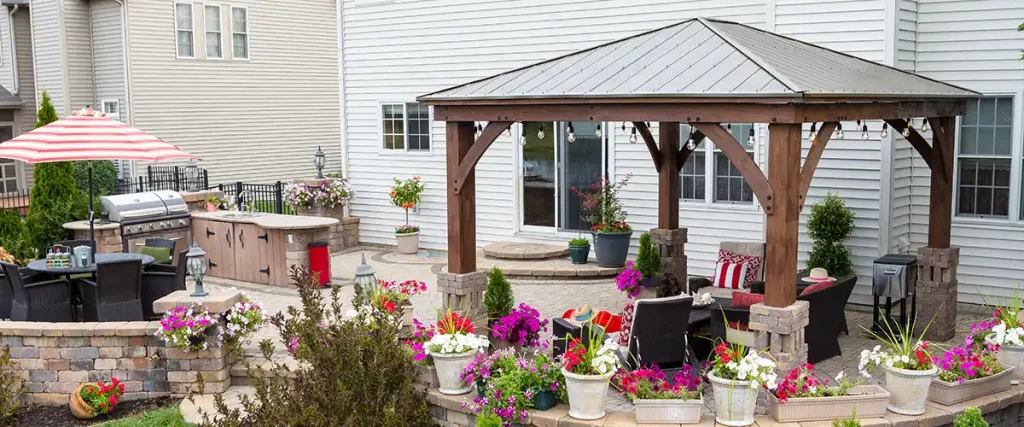
Wood structures need staining or sealing to prevent rot and weather damage. Gazebos often need more cleaning because leaves and debris collect on the roof.
Pergolas are easier to keep clean because rain can pass through the slats. Gazebos keep the space dry, but the roof needs occasional maintenance.
Aluminum and steel structures require less upkeep. These materials resist rust, do not need staining, and usually last longer in harsh weather.
If you live in an area with heavy snow or strong wind, the structure must be built to handle the load. Gazebos are often stronger in these conditions, while pergolas are better for mild climates or covered patios.
Lighting, Fans, and Outdoor Living Features
If you plan to add lighting, ceiling fans, heaters, or electronics, the structure matters.
A gazebo makes installation easier because the solid roof protects wiring and fixtures from rain. This allows you to safely mount lights, fans, or even outdoor TVs.
Pergolas can still include lighting, but everything must be weather-rated. Electrical work often requires extra protection since the roof is open.
For outdoor kitchens, hot tubs, or seating areas that stay outside year-round, many homeowners prefer a gazebo or a pergola with a solid or adjustable roof.
Design Style and Backyard Layout Considerations
Pergolas work well when you want the outdoor space to feel open and connected to the yard. They are often used over patios, pools, or decks where full coverage is not necessary.
Gazebos create a more defined space. They stand out visually and often become the main feature in the backyard. This works well on larger properties where you want a separate seating area away from the house.
In smaller yards, a gazebo can feel bulky, while a pergola keeps the space looking open. In larger yards, either option can work depending on how you plan to use the space.
When a Pergola Makes More Sense
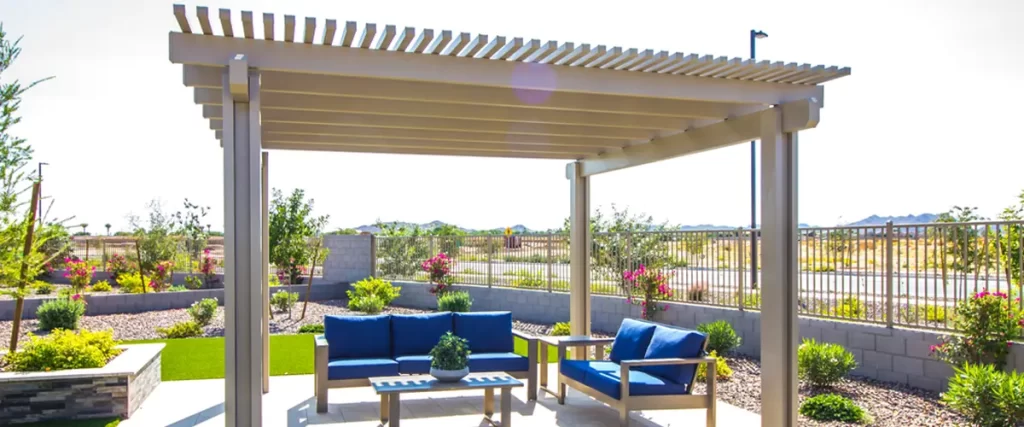
A pergola is usually the better choice if:
- You want partial shade instead of full cover
- Your patio is attached to the house
- You prefer a modern look
- You want a lower cost project
- You plan to add plants or vines
- Your climate is mostly dry or mild
Pergolas are often chosen for outdoor dining, pool areas, and patio extensions.
When a Gazebo Is the Better Choice
A gazebo is often the better option if:
- You want full protection from sun and rain
- You plan to use the space year-round
- You need a place for furniture or electronics
- Your area gets frequent storms or strong sun
- You want a focal point in the yard
- You prefer a more traditional style
Gazebos are common for seating areas, garden structures, and outdoor rooms.
Pergola vs Gazebo vs Other Outdoor Structures
Homeowners sometimes compare pergolas and gazebos with other outdoor structures as well.
A canopy is a lightweight cover that provides shade but does not have the strength of a pergola or gazebo.
A patio cover usually attaches to the house and has a solid roof, which makes it closer to a gazebo in terms of protection.
A pavilion is similar to a gazebo but usually larger and more open, often used for bigger outdoor living areas.
A pagoda is mostly decorative and less common for residential patios, but the shape can look similar to a gazebo.
Understanding these differences helps you choose the structure that fits your space instead of picking based only on appearance.
Choosing the Right Outdoor Structure for Your Property and Climate
When deciding between a pergola vs gazebo, the best choice depends on how you plan to use your outdoor space. If you want an open patio with light shade and a modern feel, a pergola is usually the better fit. If you need a covered area that stays comfortable in rain or strong sun, a gazebo makes more sense.
The size of your yard, the local climate, and the type of outdoor living space you want should guide the decision. A structure that looks great in photos may not work the same way in your own backyard.
If you are planning to build a pergola or patio cover and want it built to match your home and layout, working with a contractor who builds these every day makes the process much easier. A properly designed structure should fit the space, meet local codes, and hold up for years without constant repairs.
At Gill Construction, we design and build custom pergolas, patio covers, and outdoor structures that are made for real use, not just appearance. If you want help deciding which option fits your property, you can call us at (254) 369-5978 or send us a message to talk about your project.